Variegated Succulents: 11 Stunning Types, Care Tips, And Ideas We Actually Recommend
Variegated succulents mix all the toughness of regular succulents with streaks, speckles, and splashes of color that make them look instantly special.
Key Takeaways
| Question | Short Answer |
|---|---|
| What are variegated succulents? | They are succulents with multi-colored leaves, often with cream, yellow, or lighter green patches caused by less chlorophyll in parts of the leaf. |
| Do variegated succulents need different care? | Yes, they usually need slightly gentler sun, careful watering, and very well draining soil, similar to the basics in this full succulent care guide. |
| Can variegated succulents lose their variegation? | They can, especially in low light or when stressed, so consistent bright light and stable conditions help keep patterns strong. |
| Do variegated succulents die after flowering? | Most do not, but a few species are monocarpic, so we always check specifics, just like the advice in this flowering succulent guide. |
| Are variegated succulents good indoors? | Yes, many do great on bright windowsills or under grow lights, especially compact types and smaller rosettes. |
| How can I multiply my favorite variegated plant? | Offsets and cuttings are our go to, using the same basic methods in this propagation guide. |
| Where can I explore more variegated greenery? | You can browse a focused selection at Variegated Plant Shop for inspiration and ideas. |
1. What Makes Variegated Succulents So Addictive?
Variegated succulents are those quirky plants with striped, spotted, or edged leaves that look like someone painted them by hand.
Their lighter sections have less chlorophyll, which is why they show creams, yellows, or very pale greens against darker foliage.
Because of that reduced chlorophyll, they can be a bit slower growing and sometimes fussier than solid green types.
We usually treat them like regular succulents, then dial in extra care around light intensity and watering frequency.


2. Core Care Rules For Variegated Succulents (That Actually Work)
We keep variegated succulents happy by focusing on three basics, light, soil, and water.
Once those are set, everything else, from color intensity to growth rate, falls into place more easily.
Light, Water, And Soil Essentials
- Light: Bright, indirect light or gentle morning sun works best, too much harsh midday sun can scorch the pale patches.
- Soil: A gritty, fast draining mix similar to what you would use for large succulents, as described in this large succulent guide, prevents soggy roots.
- Water: We always let soil dry between waterings, then soak thoroughly and let excess drain out.
Indoors, we usually place variegated plants close to a bright window or under grow lights so they keep their patterns and do not stretch.
Outdoors, we use partial shade cloth or position them where they get morning sun and afternoon shade.


3. Designing With Variegated Succulents Indoors And Out
Variegated succulents instantly brighten shelves, desks, and patios because their patterned leaves act like built in contrast.
We like to use them as focal points in mixed arrangements or as small highlights in a larger succulent garden.
Succulent Garden Ideas For Small Spaces
- Mix one bold variegated rosette with a few plain green companions for a simple but striking pot.
- Use trailing variegated types around the edges and upright shapes in the center.
- Combine different textures, such as chunky moonstones with finer leaved companions.
If you are working outdoors, raised beds and containers with good drainage keep variegated plants safer from overwatering.
For indoor setups, we like shallow bowls with a gritty mix and a single standout variegated plant in the middle.


Here are three essential care tips for variegated succulents, covering light, watering, and soil. Apply these tips to keep your varieties thriving.
4. Variegated Moonstone Succulent (Pachyphytum Oviferum)
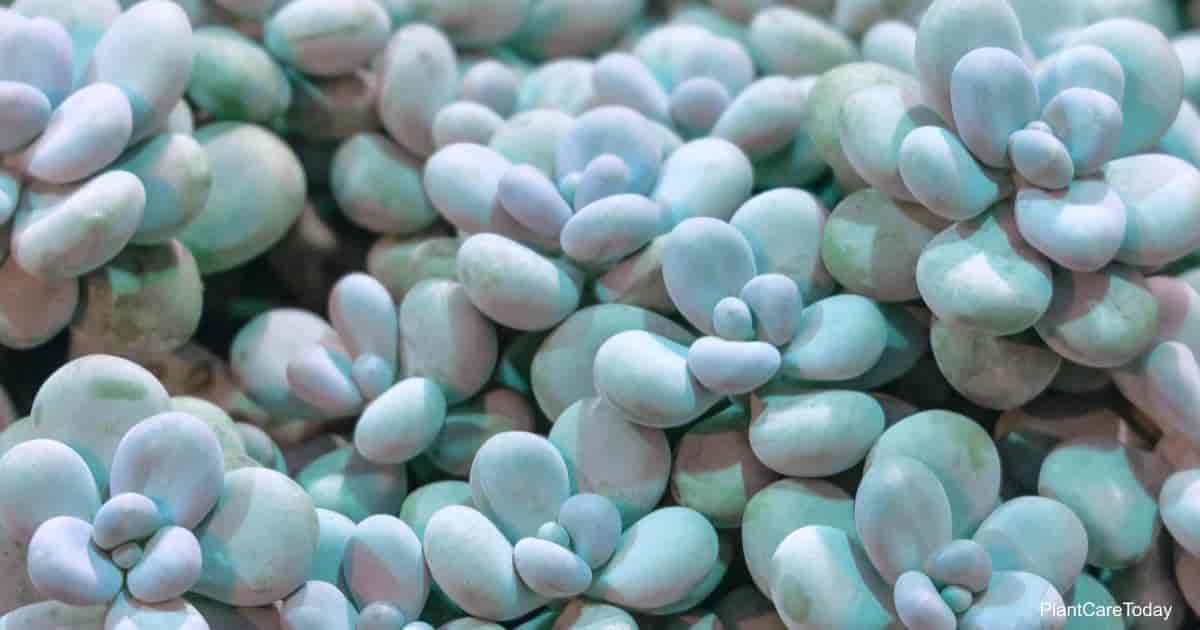
Moonstone succulents are known for their plump, egg like leaves, and variegated forms add streaks of cream or soft pink to that shape.
We treat variegated moonstones as extra delicate, especially with water, because they can be quite sensitive to rot.
Moonstone Care Basics
- Use a sandy, gritty mix and a pot with a drainage hole.
- Give bright light but avoid intense midday sun on very pale leaves.
- Water only when the soil is completely dry and the leaves feel a bit less firm.
Keeping leaves clean and dry helps preserve their waxy finish and any pastel variegation that appears.
If the plant starts stretching, we usually move it to a brighter spot rather than increasing water.

5. Propagating Variegated Succulents Without Losing The Pattern
We get a lot of questions about how to propagate variegated succulents while keeping that beautiful coloring.
The short answer, use offsets and cuttings from already variegated parts and be patient with the results.
Best Propagation Methods For Variegates
- Offsets: Gently twist or cut pups from the base of the mother plant, especially if they already show variegation.
- Stem cuttings: Take a cutting from a clearly variegated section, let it callus, then plant in a gritty mix.
- Leaves: Some species variegate reliably from leaf cuttings, others revert, so we usually test a few first.
We keep new cuttings in bright but indirect light and water sparingly until roots are established.
Inconsistent light or sudden heavy watering is usually what sets new variegated cuttings back.

6. Common Problems With Variegated Succulents And How We Handle Them
Most issues we see with variegated succulents come down to too much water, not enough light, or sudden environmental changes.
Because their lighter sections are more delicate, damage often shows up quickly as browning or bleaching.
Typical Issues To Watch For
| Problem | Likely Cause | What We Do |
|---|---|---|
| Leaves turning mushy | Overwatering or poor drainage | Let soil dry fully, trim damaged parts, and improve drainage. |
| Colors fading to solid green | Low light or reversion | Move to brighter light, and sometimes remove fully green shoots. |
| Brown scorch marks | Sunburn on pale areas | Shift to partial shade and increase light more gradually. |
If pests appear, such as mealybugs on tender variegated growth, we isolate the plant and treat promptly with gentle methods.
Catching problems early is usually the difference between a small cosmetic issue and losing the plant.

7. Large Variegated Succulents As Statement Plants
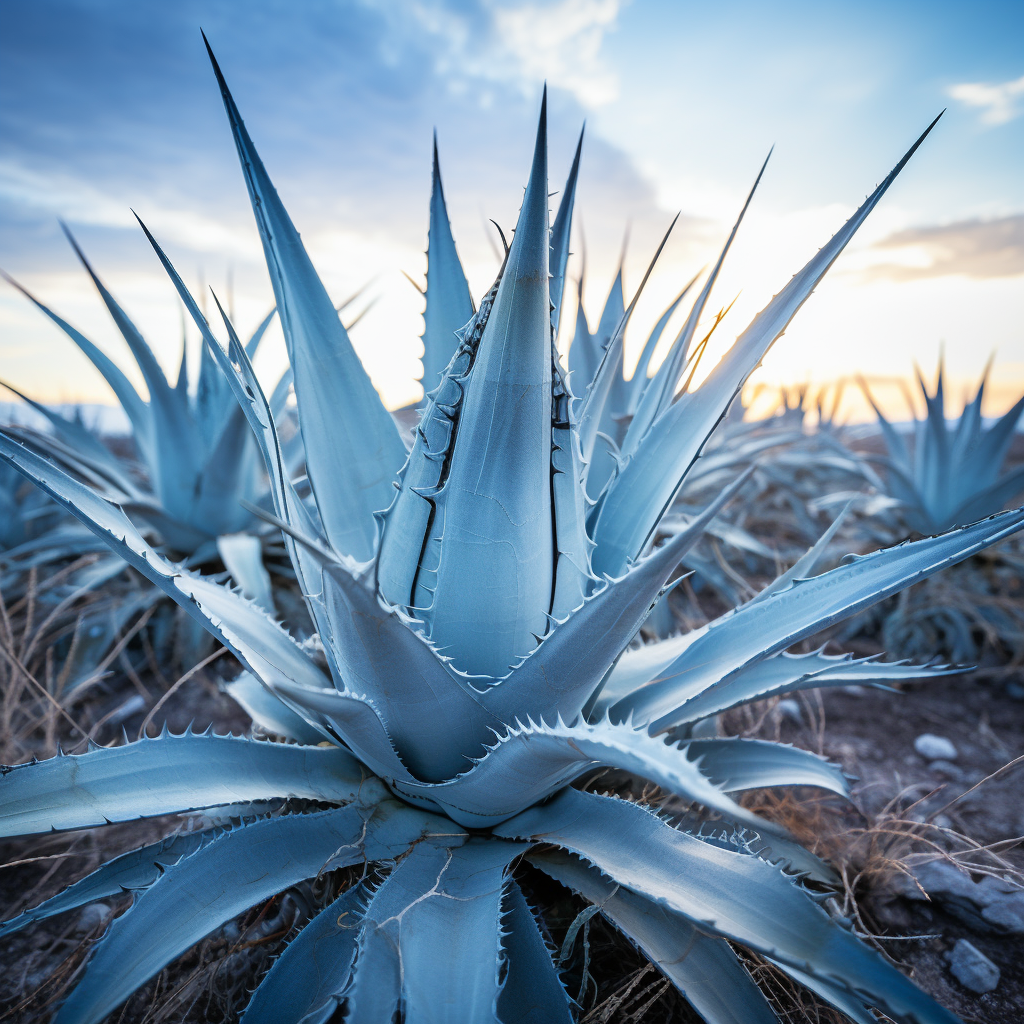
Big succulents with variegation can become the centerpiece of a room, balcony, or front yard bed.
We love using one large, patterned plant in a simple container so the leaf markings really stand out.
How We Care For Larger Variegates
- Choose a sturdy pot with excellent drainage, especially outdoors.
- Use a coarse mix similar to what you would use for any large succulent, as discussed in guides focused on large plants.
- Water deeply but less often, so the roots grow strong instead of sitting in damp soil.
Large plants often need more gradual transitions when you move them between indoor and outdoor spaces.
We also rotate big pots occasionally so all sides get similar light and the variegation develops evenly.
8. Flowering And Variegated Succulents
Many variegated succulents will still flower, and blooms can look even more dramatic against patterned foliage.
We like to think of flowers as a bonus, not the main event, since foliage is usually why we grow variegated types in the first place.
What We Watch For When Variegates Bloom
- Support tall flower stalks so they do not tip small pots.
- Do not suddenly increase watering just because buds appear.
- After blooms fade, we remove spent stalks so the plant can put energy back into new leaves.
Some species only flower once in their lifetime, but many are fine for years if you keep their roots healthy.
We always check the specific species, particularly with certain cacti and rosette succulents, before assuming anything about lifespan after flowering.
9. Mixing Variegated Succulents With Other Variegated Plants
If you already love variegation, it is fun to mix variegated succulents with other patterned plants around your home or garden.
We usually pair them with plants that enjoy similar light but may have different leaf shapes and growth habits.
Simple Pairing Ideas
- Use variegated succulents as the dry loving part of a collection, and group moisture loving variegates separately.
- Play with color echoes, such as cream margins in succulents with cream splashes in nearby foliage plants.
- Keep watering needs compatible within each pot so roots are not constantly stressed.
Texture contrast is key, thick succulent leaves next to thin or trailing leaves usually look interesting together.
We also keep variegated succulents slightly raised or closer to eye level so their patterns are easy to appreciate.
10. Caring For Variegated Cacti And Spiny Types
Variegation is not limited to soft leaved succulents, it also shows up on cacti, including some small pincushion types and columnar species.
These can be incredibly eye catching, with striped or mottled stems that stand out in any collection.
How We Treat Variegated Cacti
- Provide bright light, often more direct sun than softer succulents, but monitor pale areas for burn.
- Use a very fast draining cactus mix, with extra grit or pumice.
- Water deeply but infrequently, usually less often than leafy succulents.
Because some cactus species are vulnerable in the wild, we like to source ours responsibly and avoid wild collected plants.
We also give cacti plenty of space from walkways so nobody brushes against spines by accident.
11. Simple Routine For Long Term Variegated Succulent Success
Keeping variegated succulents thriving is mostly about small, consistent habits rather than constant intervention.
We follow a basic routine that works across most species, then tweak details for each plant.
Weekly And Seasonal Checklist
- Weekly: Check soil moisture with your finger, inspect leaves for pests, and rotate pots a little.
- Monthly: Gently clean dusty leaves so patterns stay visible and photosynthesis stays efficient.
- Seasonal: Adjust watering for hotter or cooler months and shift plants if light levels change significantly.
We avoid heavy fertilizers for variegated succulents, because slow, steady growth usually keeps their patterns sharper.
If you ever feel unsure, err on the side of more light and less water, paired with good airflow and drainage.
Conclusion
Variegated succulents are some of the most rewarding plants we grow, because they turn simple pots and garden corners into something that looks curated with very little effort.
If you focus on bright light, sharp drainage, and calm, steady care, your variegated collection can stay colorful and interesting for years.
