Cuttings Won’t Root? 10 Clear Steps To Fix “No Roots” Problems Fast
If your cuttings just sit there for weeks with zero roots, you are not alone, especially when we know one study got 0% rooting simply by soaking hardwood cuttings too long in the wrong medium. In this guide we walk through practical, plant-tested ways to troubleshoot “no roots” so you can actually get new plants from your cuttings.
Key Takeaways
| Question | Short Answer |
|---|---|
| Why are my cuttings not growing roots at all? | Usually the issue is a mix of wrong cutting type, poor timing, or a heavy medium that stays too wet, topics we cover in detail using examples from Peperomia propagation. |
| What is the best rooting medium when troubleshooting? | Research and experience point to light, airy mixes or clean sand, which is why we like the approaches in guides like String of Dolphins propagation. |
| Can overwatering stop roots from forming? | Yes, constant wetness reduces oxygen and leads to rot, an issue covered clearly in String of Dolphins care where overwatering is a common problem. |
| Does plant type change how we troubleshoot no roots? | Absolutely, succulent cuttings like Moonstone Succulent or Haworthia Cooperi need drying time, while tropical vines like Monstera adansonii prefer consistent moisture. |
| How do I avoid transplant shock after roots appear? | Handle new roots gently, match soil moisture, and adjust light gradually, following principles from our transplant shock guide. |
| Can I use the same method for all Peperomia varieties? | Most Peperomia cuttings root similarly, but growth habits differ, so we combine tips from Ruby Cascade, Dolabriformis, and Peperomia Hope when we troubleshoot. |
1. Understand What “No Roots” Really Means
When we talk about “Troubleshooting: no roots”, we are looking at cuttings that either never start root bumps or stall after tiny nubs appear. Before we fix anything, we need to know if the cutting is truly failing or just slow for that species.
Succulents, tropical vines, groundcovers, and woody plants all root at different speeds. What is fast for a String of Dolphins might be very slow for a Moonstone succulent or Haworthia.
We also look closely at the cutting itself. If the stem is shriveling, blackening, or mushy, we are dealing with rot, not just slow rooting.
If foliage stays plump and green but there are still no roots after the usual time window, we usually adjust medium, moisture, or light first before giving up.
2. Cuttings 101: Choosing the Right Material To Avoid “No Roots”
The best troubleshooting starts before you ever cut the plant. Weak, leggy, or diseased stems often never root, no matter how perfect the setup is.
We prefer firm, non‑woody stems with at least one or two healthy nodes, especially for indoor plants like Peperomia and String of Dolphins.
Peperomia Cuttings
Peperomia varieties root well from both stem and leaf cuttings, which makes them great practice plants when you are fighting “no roots” issues. In our own projects we use a light, airy mix and sometimes rooting hormone to give them a strong start.
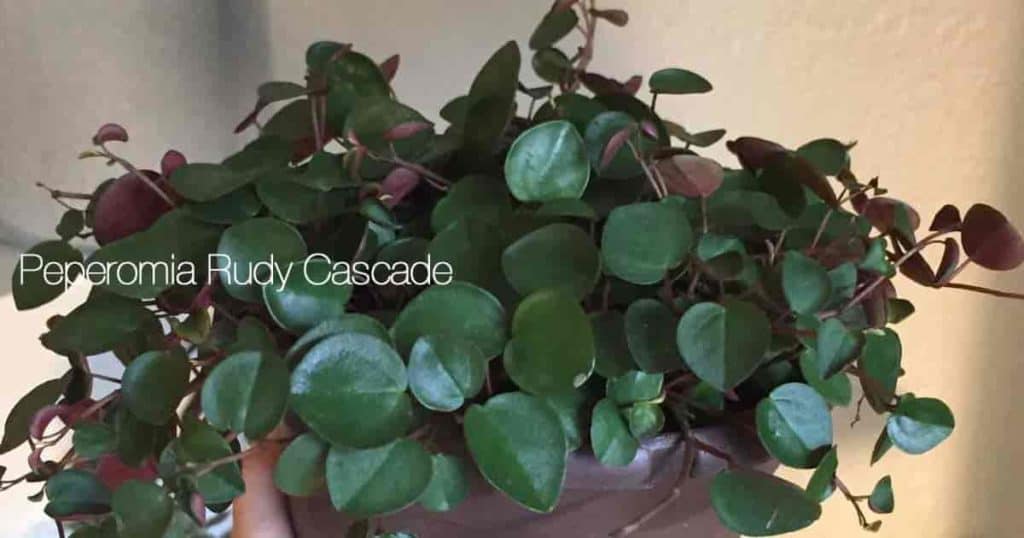
For trailing types like Ruby Cascade, we pick stems with several nodes so we have multiple chances for root formation. Compact types such as Peperomia Hope can be rooted from short segments as long as at least one node is present.
Succulent Cuttings
With succulents like Moonstone or Haworthia Cooperi, clean cuts and callousing are everything. A fresh, juicy cut stuck straight into wet soil is a common path to rot and zero roots.
We usually let succulent cuttings dry a day or more until a thin scab forms on the cut surface. That simple step reduces rot and dramatically improves rooting success in our experience.
3. Medium Matters: Fixing Rooting Mix Problems
One of the biggest reasons for no roots is using a medium that is either too dense or too waterlogged. Roots need both moisture and air, and a heavy peat mix often gives moisture with almost no air.
In one controlled trial, simple sand beat peat‑heavy mixes, with sand delivering rooting rates over 75 percent while peat alone lagged far behind.
Light, Airy Mix for Houseplants
For Peperomia, String of Dolphins, and similar plants, we like a blend of fine bark or perlite with standard potting mix. The goal is a texture that drains quickly but still holds a gentle, even dampness.
If your cuttings are sitting in soggy peat and not rooting, simply repotting into a lighter mix can turn things around quickly.
Propagation Medium Choices Compared
| Medium | Pros | Common Problems |
|---|---|---|
| Straight sand | Great drainage, good oxygen, easy to monitor moisture | Needs more frequent watering |
| Potting mix + perlite | Balanced moisture and air for most indoor plants | Can compact over time if perlite ratio is low |
| Peat‑heavy mixes | Holds moisture for longer | High risk of staying too wet and suffocating new roots |

Research on salakhani pomegranate cuttings highlights just how big the difference can be, with sand giving significantly higher rooting percentages than peat alone. If you are stuck with soggy, rootless cuttings, switching medium is one of the quickest fixes we reach for.
A concise 3-step guide to troubleshoot no-root outcomes in plant propagation. Learn how to inspect cuttings, verify the medium, and optimize environmental factors.
4. Moisture Control: Too Wet, Too Dry, or Just Right
Moisture is usually the make‑or‑break factor when people come to us asking why nothing is rooting. Constantly wet medium starves developing roots of oxygen, while bone‑dry medium simply never gives cells the water they need to divide.
Our rule of thumb is “evenly moist, never soggy”, especially for tropicals and soft‑stemmed plants.
Overwatering and Rot
If you gently tug a cutting and it slides out with black or mushy tissue, overwatering is the prime suspect. This is a common problem with String of Dolphins, where the plant prefers to dry slightly between waterings.

If you see this, we usually cut above the rot into clean tissue, let the cutting dry briefly, then reset it into fresh, airy mix with more careful watering. Lighter media like sand or perlite blends help prevent repeat problems.
Underwatering and Stalled Cuttings
On the other side, very dry medium causes cuttings to shrivel before roots form. This is common when propagation trays sit in bright, warm spots with lots of airflow but no humidity dome or cover.
We aim for a balance where the top layer can dry slightly, but the root zone stays gently moist whenever we pinch it between fingers.
5. Light and Temperature: Hidden Reasons For “No Roots”
Even if your cutting and medium are perfect, poor light and temperature can still leave you with nothing happening under the surface. Too little light slows photosynthesis so much that the plant has no energy to build roots.
Too much direct sun, on the other hand, can scorch foliage and dry the medium faster than roots can form.
Ideal Light For Rooting
We like bright, indirect light for most indoor cuttings. A north or east window, or a filtered spot near a brighter window, usually gives enough light to keep the cutting active without stressing it.
For trailing Peperomia like Ruby Cascade, we treat fresh cuttings more gently than established plants because the leaves have to fuel root growth before they can replace themselves.
Temperature Ranges
Most indoor plants root best at typical room temperatures, roughly in the lower to mid 20s Celsius. Cooler rooms slow roots down a lot, which can look like “no roots” even when the cutting is technically alive.
Very high heat can also dry medium and stress foliage, especially for delicate leaves like those on Monstera adansonii or Lithodora.
6. Species Examples: How We Troubleshoot No Roots For Different Plants
Different plants have their own quirks, so let us walk through a few examples from our own content library. Seeing how we tune the basics for each type can help you adjust your own setup.
Peperomia Family: Ruby Cascade, Dolabriformis, Hope
Peperomia are generally forgiving, which makes them a good testing ground. If we see no roots, we first check for soggy mix or very low light, since they enjoy bright but indirect conditions and dislike sitting in water.
We usually root them in small pots with a light mix, then keep the medium evenly moist until we see new growth at the tips.
String of Dolphins
String of Dolphins is more sensitive to overwatering, so waterlogged soil is usually the first thing we look at. When no roots appear and stems look limp or translucent, we prune back to firm tissue and start over in a gritty, fast‑draining mix.
We also keep these cuttings in bright light but out of intense midday sun, which can desiccate the fine stems quickly.
Monstera adansonii and Groundcovers
Monstera adansonii generally roots well in water or light mix if nodes stay submerged or in contact with the medium. If there are no roots after a few weeks, it is usually a sign that light is too low or water has not been refreshed often enough.
Groundcovers like Lithodora and even traditional “three sisters” crops in the garden each have their own seasonal timing, so with these we pay extra attention to rooting when the plant is in an active growth phase, not dormancy.
7. Lessons From Research: What Studies Say About “No Roots”
We like to mix hands‑on experience with published trials so we are not guessing. Several studies on hardwood cuttings show that medium and pre‑treatments can swing rooting rates from high success to zero.
For example, long soaking in the wrong medium gave 0 percent rooting for salakhani pomegranate cuttings, which matches what we see when cuttings sit too long in waterlogged peat in home setups.
Soaking and Hormone Use
Many growers like to experiment with water soaking or hormone powders and gels. Research on black mulberry shows that combining a moderate soak with an auxin treatment can boost rooting compared to either one alone.
At the same time, the same study and others highlight that more is not always better, and overly long soaks can reduce success, giving you the “no roots” problem you were trying to avoid.
Species and Product Differences
Trials on western pine species show that even well known rooting products can perform very differently depending on species and medium. Sugar pine reached around 80 percent rooting with several treatments in coconut coir, while some combinations for Ponderosa pine were much lower.
For home growers, the main lesson is to adjust expectations and not assume that a product that worked for one plant will guarantee success for every species or setup.
8. Avoiding Transplant Shock After Roots Finally Appear
Sometimes the problem is not that roots never form, but that new roots die right after you move the cutting. That is classic transplant shock, which can make it look like your propagation never worked.
We treat freshly rooted plants very gently when shifting them to regular pots so that the fragile new roots are not damaged.
Steps To Reduce Shock
- Water the cutting lightly a few hours before moving so the medium holds together.
- Use a similar, slightly richer mix in the new pot, avoiding heavy, compact soils.
- Keep light slightly lower for a week after transplanting, then gradually increase.
Our overview on propagation and transplanting emphasizes matching moisture and not jumping abruptly to very bright spots. Following that pattern helps us keep newly rooted Peperomia, String of Dolphins, and other houseplants growing instead of stalling.
9. Succulents vs Non‑Succulents: Different Strategies For No‑Root Problems
When people say “nothing is rooting”, we always ask first whether they are working with succulents or non‑succulents. The troubleshooting flow is different enough that mixing them often causes problems.
Succulent Troubleshooting
For Moonstone, Haworthia Cooperi, and similar succulents, we focus on callousing time, gritty mixes, and gentle bottom watering. Soggy soil and constant top watering are the main enemies here.
If we see shriveled cuttings with no roots, the usual fix is more humidity around the cutting combined with slightly more frequent, but still light, watering in a very free‑draining substrate.
Non‑Succulents and Vines
For Peperomia, Monstera, Lithodora, and garden crops, we accept consistently moist mix and often use humidity domes. With these, crisp or burnt leaves plus no roots usually point to too much light or too little humidity.
With tropical vines, we also check nodes carefully to be sure at least one remains below the soil or water line, otherwise the cutting simply has nowhere to root from.
10. A Simple Checklist: What To Do When You See “No Roots”
When a batch of cuttings refuses to root, we run through the same quick checklist every time. This takes a few minutes and usually exposes at least one obvious issue to fix.
- Inspect the cutting for rot, shriveling, or missing nodes.
- Check the medium to see if it is staying soggy or drying out too fast.
- Review light and move to bright, indirect conditions if needed.
- Confirm temperature is in a moderate, stable room range.
- Consider timing, since many plants root faster in their active growth season.
If at least some cuttings look firm and green, we often tweak medium and moisture before discarding them. When everything looks rotten or completely desiccated, we start over using the lessons from that failed run so the next set has a better shot.
Conclusion
“Troubleshooting: no roots” sounds intimidating, but once you break it down into cutting quality, medium, moisture, light, and timing, it becomes a straightforward checklist. By combining what research tells us about soaking, substrates, and species differences with the practical care tips across our plant guides, we can usually turn a stalled propagation project into a tray of rooted, ready‑to‑grow plants.
The next time your cuttings just sit there, resist the urge to toss them right away, walk through the steps in this guide, adjust one or two variables, and give them a bit more time. With a more systematic approach, “no roots” often turns into “lots of roots” on your very next attempt.
