
https://plantcaretoday.com/tomato-plant-spacing.html
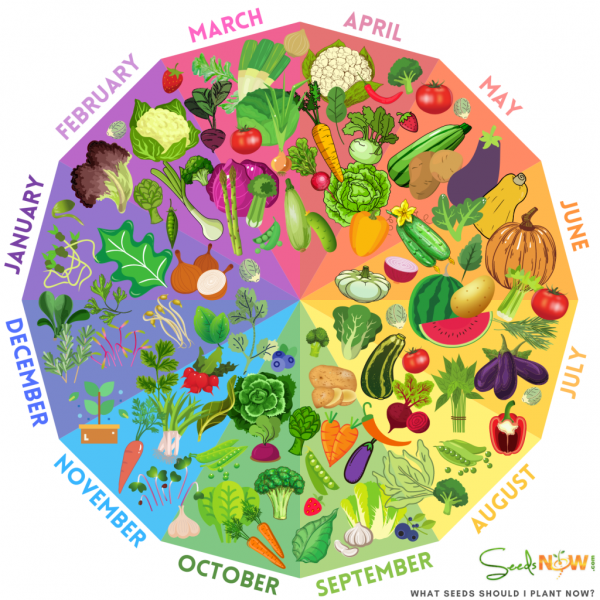
What Seeds Should I Be Planting RIGHT NOW?
Originally from http://feedproxy.google.com/~r/UrbanOrganicGardener/~3/PmD7CHnDunc/
Growing food at home is one of the most rewarding things you can do for yourself and your family right now. Maybe you feel like the current growing season has passed you by, and you will need to wait until next spring to start? or maybe you want to try something new this coming fall or winter?
Regardless of why you found yourself reading this article, we’re going to point out some great tips for growing your favorite fruits, vegetables, and herbs. We’re here to help you become successful at year-round gardening.
All vegetables need either a cool growing season, or a warm growing season to be healthy and prolific. Learning your correct grow zone/location is crucial to having a bountiful harvest. You may even want to contact your local Extension Office for exact planting dates and schedules.
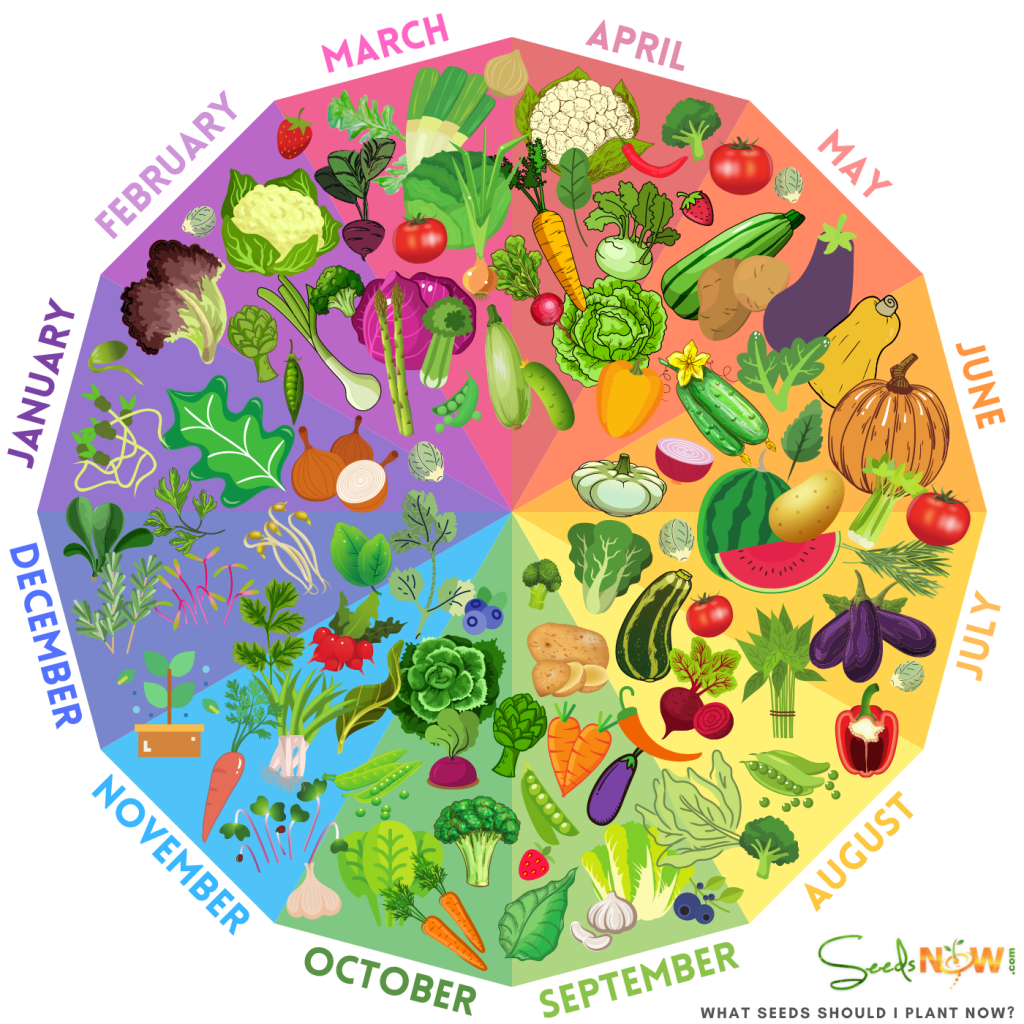
The graphic above shows you:
- COOL- season crops that need to be planted between September – February
- WARM – season crops do best when planted between the March – August
*These exact dates will obviously vary based on your location but this should help get you started!

SPRING March 1st – May 31st
WHAT TO PLANT NOW: In early spring, focus on sowing crops like: radish, carrots, turnips, peas, lettuce, spinach, kohlrabi, broccoli, cabbage, leeks, collards, onions, Brussels sprouts, asparagus, cauliflower, and herbs such as parsley, cilantro and dill.
As the season progresses, you’ll be ready to start your summer crops such as: tomatoes, peppers, eggplant, melons, cucumbers, squash, strawberries & more!
MORE THINGS TO DO: In early spring, you will want to start your seeds indoors and begin prepping your garden beds. Get a new garden hose or invest in a self-watering irrigation system. Learn how you can water more efficiently as things start to heat up and dry out. Sharpen and clean all of your garden tools to make sure they’re ready when you are.
As soon as the ground can be worked you should begin to:
SUMMER June 1st – August 31st
WHAT TO PLANT NOW: Continue planting your summer favorites such as tomatoes, peppers, eggplant, squash, melons, potatoes, onions, herbs, and maybe a few more root crops and leafy greens before it gets too hot for them. If you’re into fresh herbs, summer is the perfect time for growing basil, mint, lemongrass and chives.
MORE THINGS TO DO: Now is the time to get outside and “button-up” any gardening chores before the summer heat makes even the simplest jobs seem unbearable. Make sure you water your plants deep and regularly to ensure they aren’t drying up during the much longer, warmer days. As temperatures rise, so does your flexibility in terms of planting. No longer are you running the risk of an unexpected freeze damaging your newly planted seedlings, and your heat-loving crops will actually begin to thrive!
MORE TIPS AND TRICKS:
Herbs & Veggies to Plant NOW for a Summer Garden – View
Heat Loving Veggies & Herbs You Can Grow RIGHT NOW in Summer! – View
12 Plants That You Can Grow This Summer To DETER Mosquitoes – View
Have a Better Summer Garden With These 7 Tips! – View
FALL September 1st – November 30th
WHAT TO PLANT NOW:
Most gardeners will agree, the crop they look forward to planting the most during fall is garlic! Drop your favorite soft or hardneck varieties as long as the soil remains workable (for most this falls somewhere between September/October). If you get them into the ground early enough, potatoes will do well until your first freeze arrives.
Fall is also the best time for planting blueberry bushes. Start planting your fall root vegetables such as carrots, radishes, beets, turnips and parsnips. Love salads? Your favorite greens will thrive in the cooler temperatures of fall.
September – October is prime time for sowing your favorite cover crop varieties! “A cover crop slows the velocity of runoff from rainfall and snowmelt, reducing soil loss due to sheet and rill erosion. Over time, a cover crop regimen will increase soil organic matter, leading to improvements in soil structure, stability, and increased moisture and nutrient holding capacity for plant growth.” source: nrcs.usda.gov
MORE THINGS TO DO:
As summer winds down, be sure to replenish the nutrients in your garden beds by adding fresh compost or manure. We hope you’ve collected seed from your previous harvests by allowing them to “go to seed” and then harvesting them for future growing seasons. Learn about Seed Saving tips and tricks. Clean out any cold-frames you may have or the greenhouse in preparation for winter months ahead. Cut back any dead or dying perennials and clean/sterilize your garden tools. Take cuttings from your favorite herbs before they are destroyed by frost. Continue to enjoy them throughout fall and winter by growing an indoor container garden or grow them in the windowsill.
MORE TIPS AND TRICKS:
How to Plant a Fall Garden. Step-by-Step – View
Plant these seeds in July/August – View
Fall and Winter Gardening Made Easy – View
16 Crops To Plant NOW for Fall! – View
Our TOP 10 Favorite Fall & Winter Gardening YouTube Videos! – View
Quickest Crops to Mature for a Fall & Winter Harvest – View
WINTER December 1st – February 28th
WHAT TO PLANT NOW:
Grow sprouts & micro greens! Most of your favorite spring and summer vegetables do well in the form of sprouts, so get your “nutrient fix” by starting a tray of them in the windowsill of a south facing window. Love to cook? Herbs can be planted in small pots or containers indoors if you supply them with enough light.
Do you still have some crops left out in the garden from fall? Some would say that beets, parsnips, carrots, Brussels sprouts, kale, turnips and rutabagas all taste sweeter after a frost! So don’t be in such a hurry to pull these from your vegetable beds. Let winter come, then enjoy!
MORE THINGS TO DO:
For most gardeners, winter becomes a season of rest. A lot of us enjoy taking a few months off, regrouping from the long hauls of summer and fall, but if you’re still craving fresh food from your garden, we have great news! You STILL have options!
Southern states and warmer regions can grow most of their favorite fruits, veggies and herbs all the way through winter, without hesitation.
MORE TIPS AND TRICKS:
How to Store Vegetables for Winter – View
10 Vegetables You Can Over-Winterize – View
It’s Winter! What to do in the garden now?! – View
Most Popular Seeds to Plant Now for Fall/Winter Gardening – View
ENTER YOUR LOCATION —AND GET YOUR OWN PLANTING CALENDAR!

Tomato Seed Saving Tips and Tricks
Originally from http://feedproxy.google.com/~r/UrbanOrganicGardener/~3/hI9SJjQA5v0/
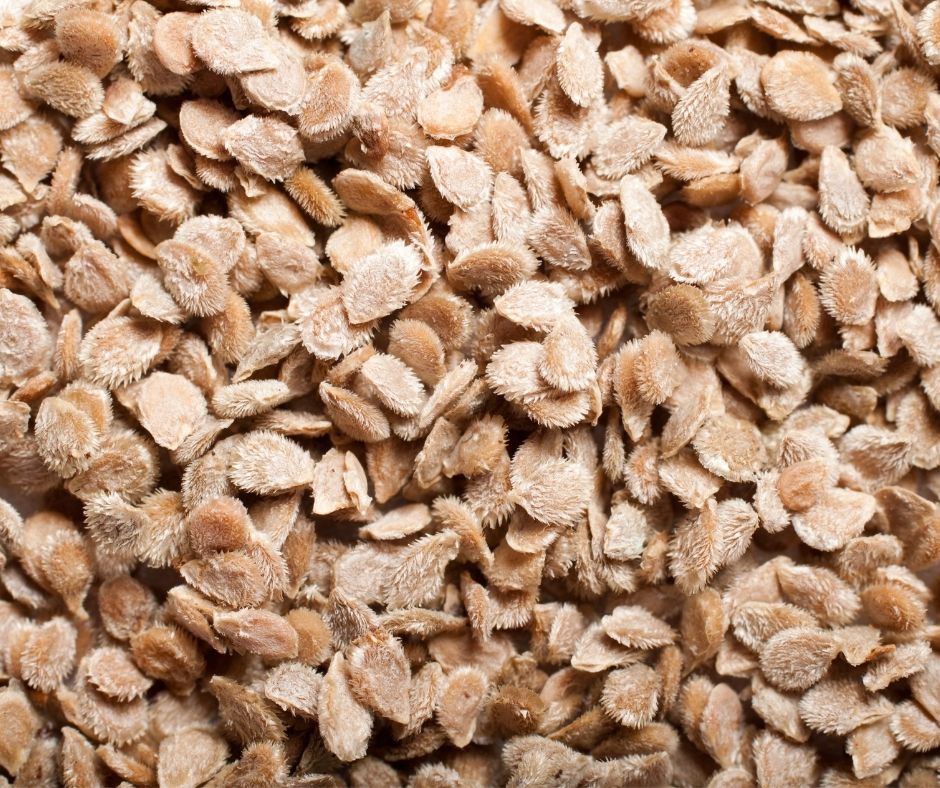
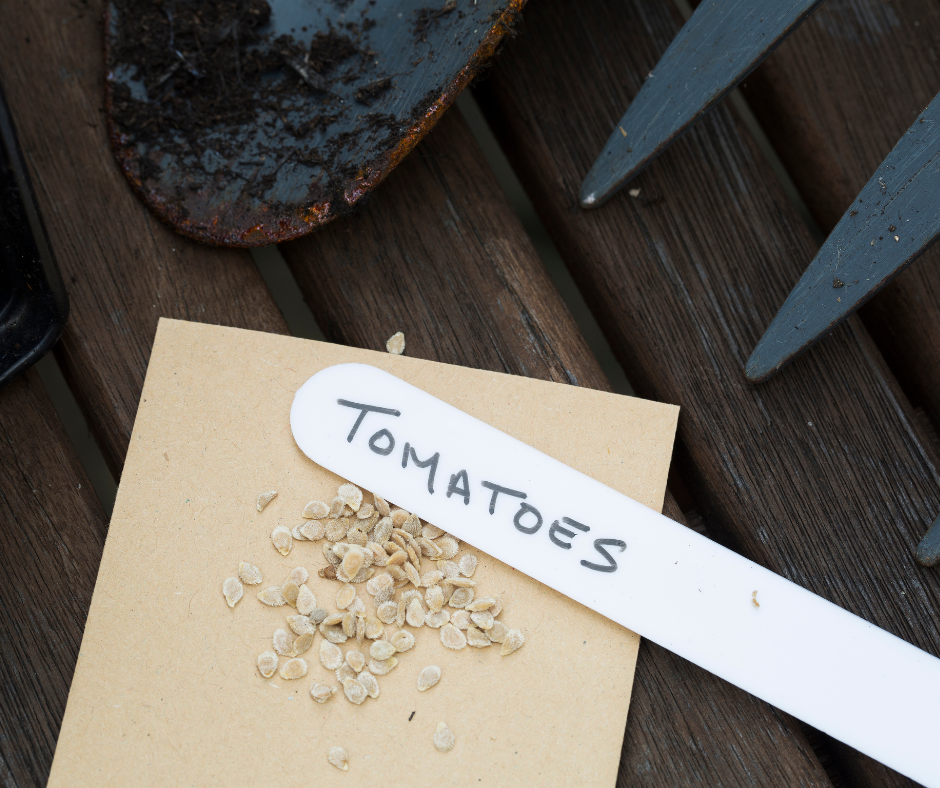
Saving tomato seeds is a popular tradition amongst most gardeners. They take their most prolific plants, and favorite varieties and pay special attention to harvesting seed for the following year.
Hybrid vs. Heirloom and why it matters: Hybrid plants are a combination of two different sets of genetic material. If a hybrid tries to mate with another plant, even another plant of the same hybrid type, it may not be able to produce any fruit at all and will usually fail to show the desired characteristics of the mother plants. For example, if a large-fruited, disease-resistant tomato plant were allowed to mate with another similar plant, the offspring might have small fruits and lack disease resistance – the benefits of creating the hybrid, to begin with, would have disappeared in producing the next generation.
Heirloom varieties have been passed down from generation to generation and have stabilized over time. They will produce fruit true-to-type, like that of that plant it came from. Repeat variety and quality can be expected as long as you avoid any cross-pollination. Learn MORE About Hybrid vs. Heirloom Plants
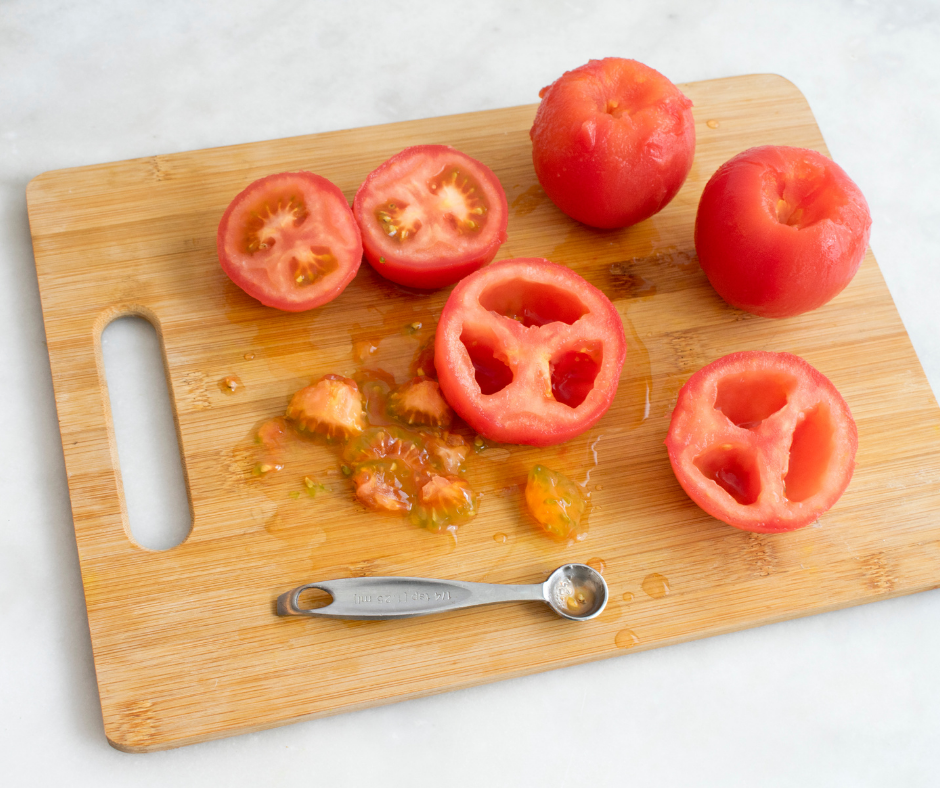
There are several ways that you can save your heirloom tomato seeds, but here are two of the most popular techniques.
Fermentation Method:
- Choose a beautiful, healthy fruit that is slightly over-ripe.
- Slice open.
- Gently squeeze seeds into a cup.
- Add a small amount of water, just enough to cover the seeds.
- Cover the cup with a kitchen towel and make sure they don’t dry out. Let ferment for 3-7 days. (Mold will begin to grow, this is normal and expected.)
- Rinse well, and allow to fully dry on a paper towel.
- Store in a cool, dry place such as an airtight bag or seed vault.
Non-Fermentation Method:
- Choose a beautiful, healthy fruit that is slightly over-ripe.
- Slice open.
- Gently squeeze seeds onto a paper towel.
- Let fully dry for about 1 week.
- Store in a cool, dry place such as an airtight bag or seed vault.
How to Get Rid of Tomato Hornworms
A single green horned tomato worm can consume all of a plant’s leaves in a very short period of time. This large green caterpillar has a voracious appetite and eats constantly, so they grow very large very quickly. It is possible for them to grow as large as six inches in length and one inch […]
Propagation and Transplanting: How to Avoid Transplant Shock
I want to talk to you about the transplant shop. It’s, not that dramatic, but transplant shock is a gardening term for bummed out plants, specifically during the days following a move from one container to another. Growth slows to a crawl and your plants, just mope around, like moody teenagers, faking an illness to […]
Opuntia mesacantha
Opuntia Mesacantha article source is plants.ces.ncsu.edu Common Name(s): Barbary Fig Cochineal Prickly Pear Drooping Prickly Pear Drooping Tree Pear Prickly-pear Spreading Prickly Pear Prickly-pear is a native evergreen succulent found in coastal dunes, sandy riverbeds, and pine forests. It is a fast-growing, shrubby cactus with heights of up to 20 feet (ca. 6 m). Its […]

Cyclamen Care: Tips On Growing Cyclamen Plants
https://plantcaretoday.com/cyclamen-plant-care.html
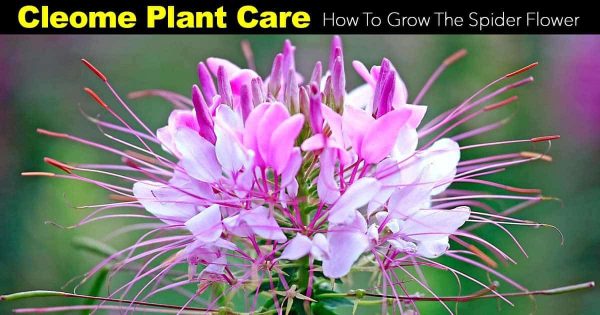
Cleome Plant Care: How To Grow The Spider Flower
https://plantcaretoday.com/cleome-plant-spider-flower.html

Blechnum Gibbum: How To Grow and Care For The Silver Lady Fern
https://plantcaretoday.com/blechnum-gibbum.html
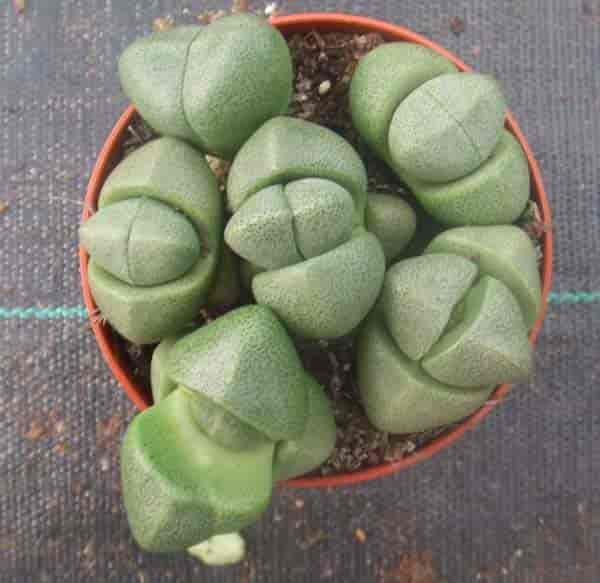
Pleiospilos Nelii: Split Rock Succulent Growing and Care Tips
https://plantcaretoday.com/pleiospilos-nelii.html