Introduction
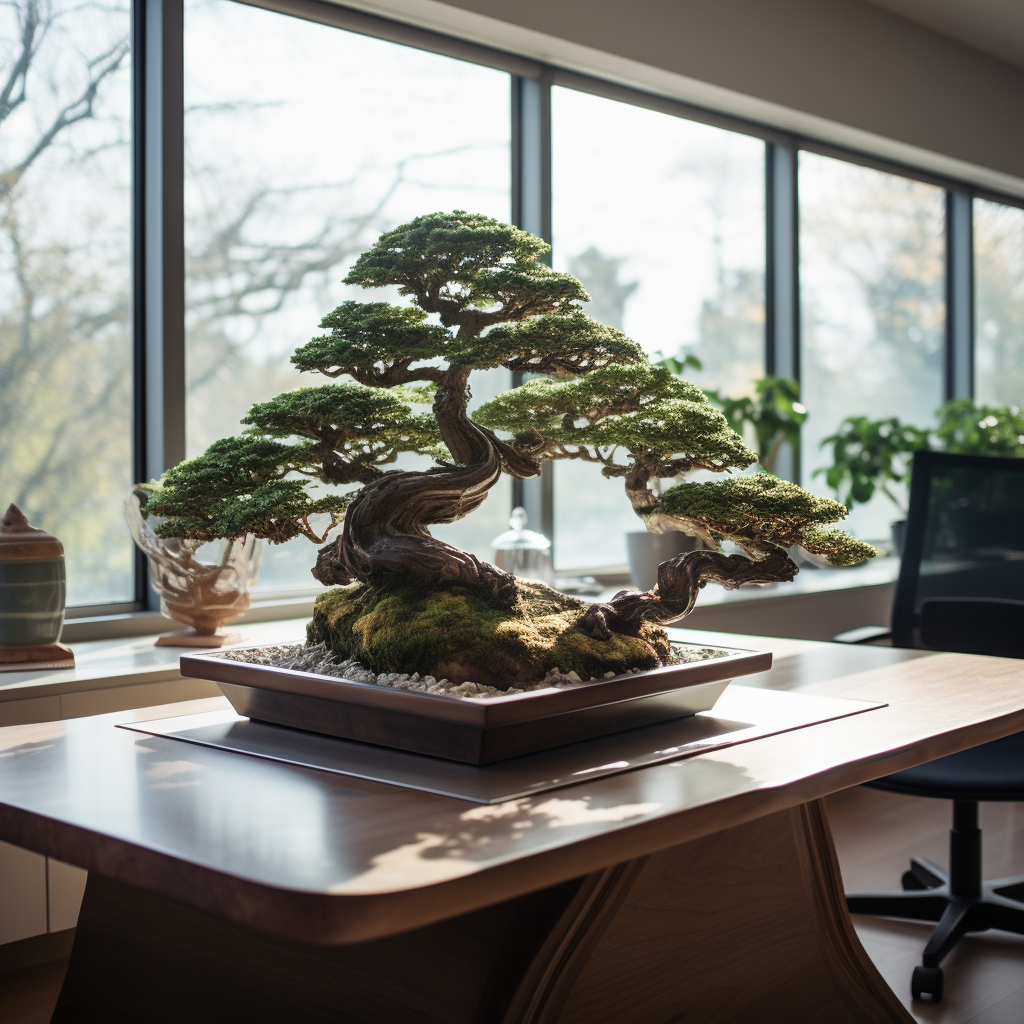
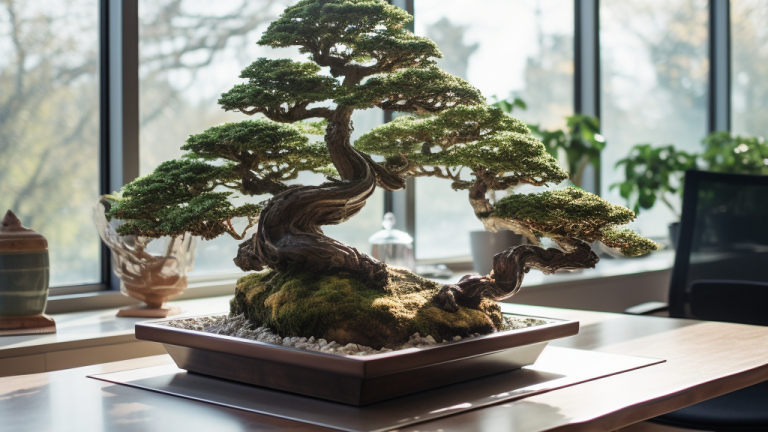
The art of bonsai is a delicate balance between nature and nurture, growth and control, life and form. One of the most crucial aspects of this art is the act of pruning and shaping the bonsai tree. This guide aims to provide you with a comprehensive understanding of how to prune and shape your bonsai, ensuring it not only survives but thrives as a miniature masterpiece.
The Importance of Pruning and Shaping
Pruning and shaping are not just aesthetic choices; they are vital for the health of your bonsai. Proper pruning allows for better air circulation and light penetration, essential for the tree’s growth and well-being. Shaping, on the other hand, is the artistic aspect that brings the essence of bonsai to life.
Tools You’ll Need
- Bonsai Pruning Scissors
- Concave Cutters
- Wire Cutters
- Bonsai Wire
- Gloves
The Pruning Process
Step 1: Assess Your Tree
Before you make any cuts, take some time to study your tree. Understand its natural shape and decide what you want to achieve with your pruning.
Step 2: Remove Dead or Unhealthy Branches
Using your bonsai pruning scissors, remove any dead or unhealthy branches. This is essential for the tree’s overall health.
Step 3: Thin Out the Foliage
Thin out dense areas of foliage to allow light to penetrate, which is crucial for balanced growth.
Step 4: Shorten Long Branches
Use concave cutters to shorten branches that have grown too long. Make sure to leave some new growth at the tips.
The Shaping Process
Step 1: Choose a Style
Decide on the style you want for your bonsai. The most common styles include Formal Upright, Informal Upright, and Cascade.
Step 2: Apply Wire
Carefully apply bonsai wire to the branches you wish to shape. Make sure not to wrap the wire too tightly.
Step 3: Shape the Branches
Gently bend the wired branches into your desired shape. Take your time and make gradual adjustments.
Step 4: Monitor and Adjust
Keep an eye on your tree as it grows. You may need to adjust the wires or make additional cuts for fine-tuning.
Maintenance and Care
After pruning and shaping, make sure to give your tree the proper care it needs.
This includes regular watering, fertilizing, and possibly repotting if the tree has grown significantly.
Conclusion
Pruning and shaping your bonsai are essential skills that every bonsai enthusiast should master. With the right tools and techniques, you can transform your tree into a living work of art, capturing the essence of nature in miniature form.