7 Silent Ways Overwatering Kills Your Cuttings (And How To Actually Get Them To Root)
Most people blame “bad cuttings” when propagation fails, but in one study 0% of cuttings rooted after a 48 hour soak in wet peat moss, simply because they were kept too wet for too long. Overwatering quietly ruins more propagation attempts than almost anything else, especially with succulents and other drought‑tolerant plants.
Key Takeaways
| Question | Short Answer |
|---|---|
| What is the most common propagation mistake with succulents? | Constantly wet soil and waterlogged containers, especially when people forget that many succulents evolved for drought, not daily watering. For a full overview, we walk through timing, soil, and methods in our succulent propagation mastery guide. |
| How often should I water new succulent cuttings? | Usually only when the soil is dry to the touch, and often less than you think, which we detail with real examples in our 5‑method propagation guide. |
| Do I really need drainage holes for propagating succulents? | Yes, proper drainage is key to avoiding rot in cuttings, which is why we stress it in our article on why succulents need drainage holes. |
| Does overwatering affect creeping species like creeping fig too? | Definitely, even moisture lovers need air at the roots during propagation, as we explain in our creeping fig growing and care guide. |
| Are some species more sensitive to wet conditions when rooting? | Yes, compact and quirky succulents like Haworthia, Lithops, and Moonstones need especially careful moisture control, which we cover in detail in our Moonstone propagation article. |
| How do I adjust watering after transplanting rooted cuttings? | Increase water slowly and always protect new roots from soggy soil to reduce transplant stress, a topic we expand on in our guide to minimizing transplant shock. |
1. Why Overwatering Is The #1 Reason Propagation Fails
When we talk with frustrated growers, the story is usually the same, they watered “to be safe” and the cuttings quietly rotted instead of rooting. Overwatering is not just “too much water once”, it is any watering habit that keeps your propagation medium wet for too long and starves cuttings of oxygen.
Roots need moisture, but they also need air pockets, and saturated soil pushes that air out. In propagation trays and small pots, this happens even faster, so the margin for error is small, especially with succulents and woody cuttings.
Succulents And Other Drought Lovers Are Extra Sensitive
Plants like Moonstone succulents, Haworthia, and many peperomia species come from habitats with short wet periods and long dry gaps. When we try to root them in constantly damp soil, we are working against their natural survival strategy.
That is why we design our propagation guides around dry‑down cycles instead of “water every X days” schedules. You will see this pattern repeated across our articles on Moonstones, Haworthia, and creeping fig care.

2. Soaking Cuttings Too Long: When “Extra Care” Backfires
One surprisingly common mistake is soaking cuttings for hours or days “so they do not dry out.” Short, intentional soaks can help in some cases, but long soaks often lead to waterlogged tissue and zero roots.
In controlled trials, some hardwood cuttings had 0% rooting after a 48 hour water soak in a heavy, peat‑based medium. The problem was not the plant, it was the combination of long soaking and a substrate that held too much water and not enough air.
Finding The Sweet Spot For Soaking
In the same line of research, cuttings soaked for 24 hours then rooted in sand reached up to 93.33% rooting, which shows that soaking is not “good or bad” by itself. The real issue is how long you soak and what kind of soil or substrate you use afterward.
Our approach is simple, if you soak, keep it short and always move cuttings into a sharply draining mix. For many succulent species, we skip soaking altogether and rely on callusing instead.

3. Choosing The Wrong Propagation Medium (Too Heavy, Too Wet)
Even if you water perfectly, the wrong medium can hold so much moisture that cuttings still suffocate. In one study, sand reached about 75.56% rooting, while a peat‑based mix lagged near 20%, simply because the peat stayed wetter and less airy.
For propagation, we almost always favor light, gritty, fast draining mixes instead of rich, dense potting soils. The goal is to deliver quick moisture then let excess water escape so the stem base can breathe.
Good Propagation Mixes For Avoiding Overwatering
For succulents, we prefer blends that feel almost too coarse for regular houseplants, often built around sand, perlite, and a small amount of organic matter. This kind of mix aligns with what we recommend in our seed starting and succulent guides.
For plants like creeping fig or peperomia, we still lean toward airy mixes, just with a bit more moisture‑holding material than for desert succulents. The core rule stays the same, if water sits on the surface or the pot feels heavy for more than a day, it is probably too dense.

Learn to spot and avoid the top 5 overwatering mistakes in plant propagation with practical tips.
4. Ignoring Drainage Holes: Turning Your Pot Into A Bathtub
Even the best soil mix will fail if there is nowhere for extra water to go. Propagation containers without drainage holes trap water at the bottom, right where tender new roots are trying to grow.
We are often asked if drainage holes are “really necessary” for succulents, and our answer is always yes, especially during propagation. Without them, it is almost impossible to keep the root zone from staying too wet.
How Drainage Protects New Roots
With holes in the base, moisture can move through, and oxygen can creep back into the lower part of the pot. That balance helps roots grow deeper instead of rotting at the soil line.
If you absolutely must use a container without drainage, we treat it like a decorative cachepot and keep the actual propagated plant in a smaller pot with holes inside it. That way, we still control watering precisely.
5. Watering Schedules That Ignore Dry‑Down Time
Another common trap is following a rigid schedule like “water every two days” regardless of what the soil is doing. Cuttings do not read calendars, they respond to moisture and air around their base.
In controlled experiments with hardwood cuttings, a 7 day irrigation interval produced higher rooting percentages than daily watering. That longer gap allowed the medium to cycle between moist and airy instead of staying chronically damp.
How To Use The Dry‑Down Test
We teach a simple habit, gently press the soil surface with your finger or a wooden skewer and water only when the top layer feels dry and the pot feels lighter. This works far better than counting days.
For very small cuttings or fine roots, you can mist the surface lightly instead of soaking the whole pot, just enough to keep the very top from getting bone dry while deeper layers continue to breathe.
6. Overwatering Special Cases: Moonstones, Haworthia, Lithops & More
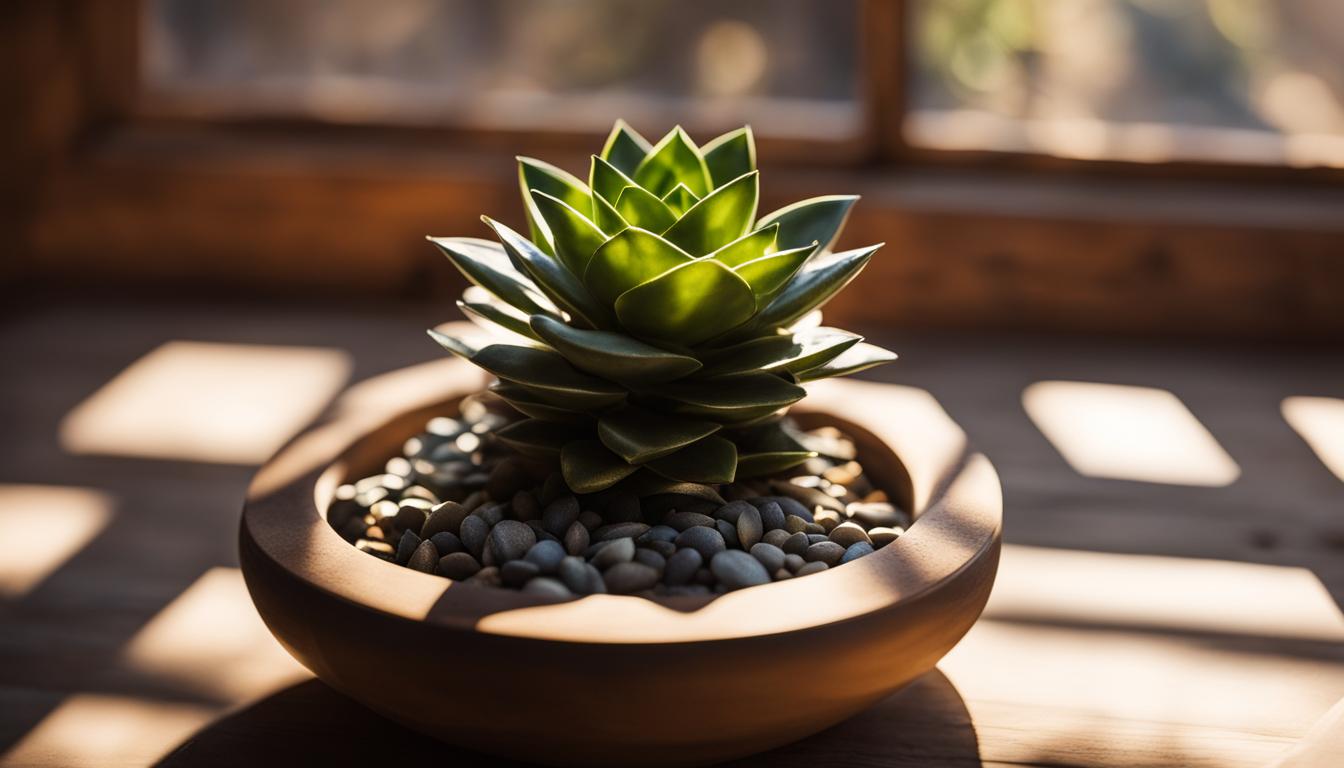
Some species are especially unforgiving if you overwater during propagation. Moonstones, Haworthia, Lithops, and compact Gasteria all have thick tissues that store water, so they do not need constant moisture at the roots.
We often see people place these cuttings in rich, wet mix and water as if they were tropical houseplants, then wonder why everything melted. The truth is that these plants prefer long dry periods and quick drinks that disappear fast.
Dry‑Biased Propagation For Fat‑Leaved Succulents
For Moonstone leaf cuttings, we usually let the leaf dry and callus fully, then place it on barely moist, gritty mix and avoid watering until small roots or pups appear. Heavy watering at the callus stage is one of the fastest ways to lose them.
With Haworthia offsets and Lithops divisions, we follow a similar pattern, generous air flow, very gritty soil, and water only when we see signs of active growth instead of on a preset timeline.
7. Overwatering Creeping Fig, Peperomia & Other Non‑Succulent Cuttings
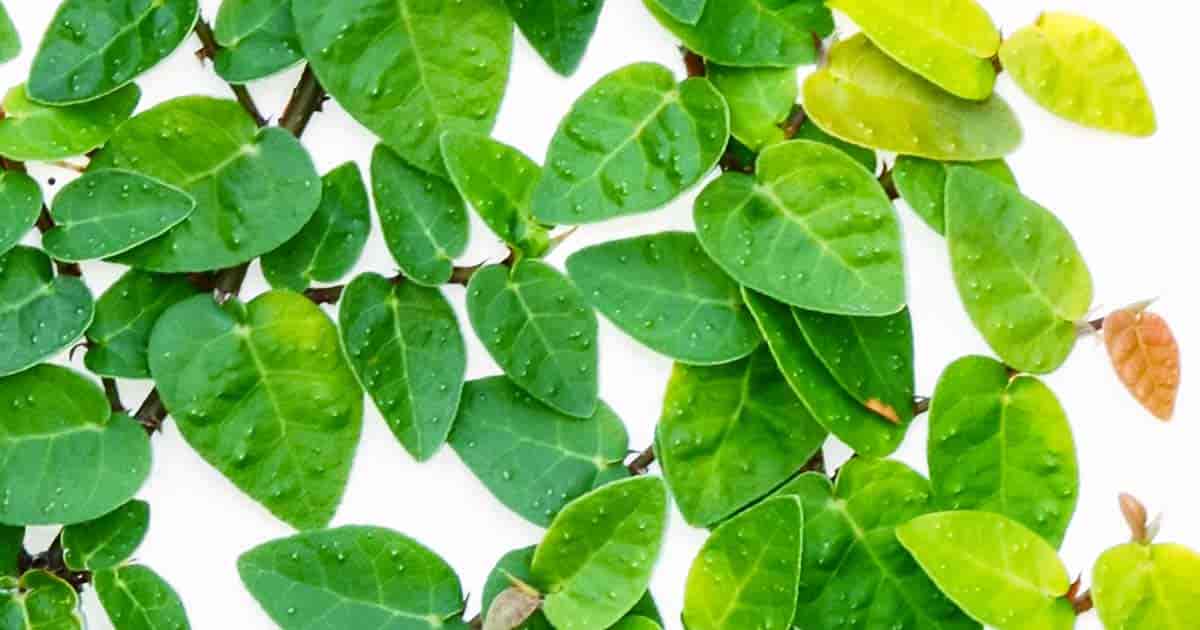
It is easy to assume that non‑succulent cuttings want to be wetter, but creeping fig and many peperomia types still hate stagnant, soggy conditions. Their stems are softer and can rot quickly if they sit in heavy, cold water.
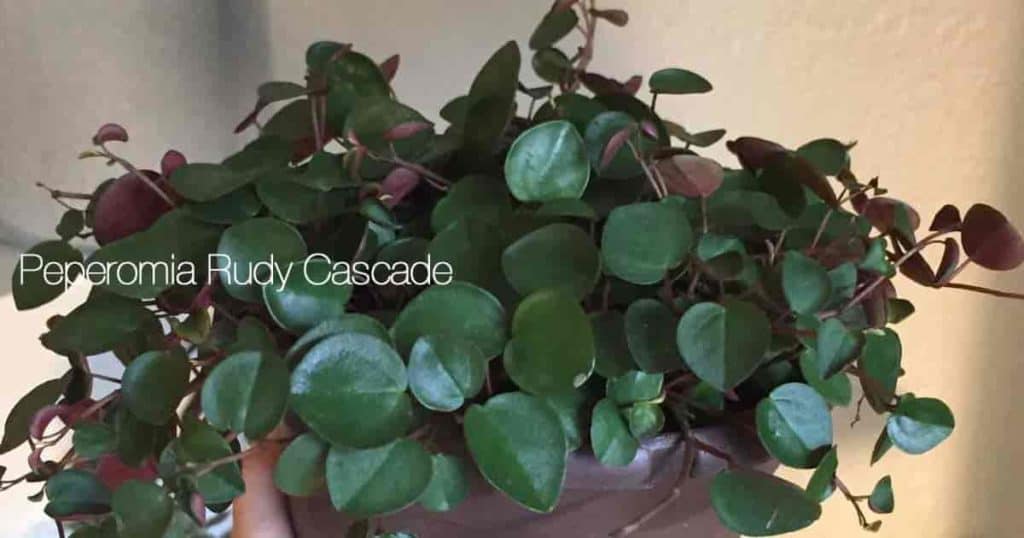
When we propagate creeping fig, we like to keep the medium evenly moist, not drenched, and we always use small pots or trays with excellent drainage. The same goes for peperomia Ruby Cascade and Peperomia hope.
Balancing Humidity And Moisture
With these species, high air humidity often helps more than soaking the soil. You can lightly cover cuttings or place them in a more humid spot, as long as the medium itself is not soaking.
If you see leaves yellowing from the base, stems turning translucent, or a musty smell, those are all warning signs that your moisture level is too high around the stem base.

8. Overwatering After Transplanting: When New Roots Get Shocked
Once cuttings root, many growers relax and start watering as if the plants were fully established. This jump in moisture can stress young root systems that are still shallow and tender.
We see this often in succulents moved from propagation trays into decorative pots. The soil blend changes, the pot is bigger, and suddenly those small roots are sitting in a much wetter zone than before.
Gentle Watering During The Transition
Our rule is to keep the post‑transplant routine similar to what worked during propagation, at least for a few weeks. We use slightly deeper but still well draining soil, water thoroughly once, then wait for a full dry‑down before watering again.
If a plant droops right after transplanting, many people reach for the watering can, but that can make stress worse. Often, it needs time and stable conditions more than extra water.
9. Not Linking Watering To Light, Temperature, And Season
Water needs are never fixed, they change with light, temperature, and season. Cuttings in bright light and warm conditions use water faster, while those in dim or cool spots stay wet much longer.
Overwatering problems explode in low light setups, where people keep watering on a summer schedule while the plant sits almost dormant. The soil never really dries, so roots stay at risk.
Seasonal Adjustments To Avoid Overwatering
We usually reduce watering frequency in cooler months and under lower light, especially for succulents and woody cuttings. In many cases, that means allowing longer dry spells and using smaller sips instead of heavy soakings.
If you move propagated plants outdoors for summer, remember to adjust in the opposite direction. More heat and airflow often mean you can safely water more often without creating soggy conditions.
10. Confusing Pest Or Disease Problems With “Not Enough Water”
When leaves yellow or stems collapse, many people assume the plant is thirsty and add more water. In propagation, those same symptoms can come from root rot, damping off, or pest damage made worse by high moisture.
In pot trials on damping off, incidence ranged above 20% under certain conditions, and it climbed when moisture and pathogens combined. Overwatering does not just slow rooting, it can create a friendlier environment for problems.
Checking Below The Surface Before You Water
Before adding water to a struggling cutting, we always check the root zone. If the soil is already moist and roots look brown or mushy, the solution is to dry things out, not to pour more water in.
We also keep a close eye out for pests like mealybugs on succulents. High humidity and crowded propagation trays can make infestations spread fast, so we prefer good airflow and moderate moisture instead of constantly damp conditions.
Conclusion
Overwatering in propagation rarely looks dramatic at first, it is usually a quiet combination of heavy soil, no drainage, and watering out of habit instead of watching the medium. Across succulents, creeping figs, peperomias, and hardwood cuttings, the pattern is consistent, roots thrive when moisture comes in short pulses followed by real dry‑down time.
If you remember just a few things, keep your mix airy, insist on drainage holes, and water based on how dry the soil feels, not what the calendar says. With those habits, you avoid the most common propagation mistakes around overwatering and give your cuttings a real chance to root strong and fast.
