Succulent Propagation Mastery: 11 Proven Ways To Turn One Plant Into Dozens
If you have ever wondered how people end up with entire shelves of succulents from just a few plants, the secret is propagation, and most succulent cuttings start forming roots within at least 4 weeks, which is faster than many people expect.
Key Takeaways
| Question | Quick Answer |
|---|---|
| How do I start with succulent propagation mastery as a beginner? | Begin with easy, forgiving plants and learn basic cutting, drying, and potting steps. Our guide to succulent plants walks through those essentials. |
| What is the safest way to root delicate stems and leaves? | Use a light, airy mix, keep water low, and let cut ends dry before planting. The method in how to propagate peperomia is a good template. |
| Which succulents are best for practicing propagation? | Moonstones, gasteria, echeveria, sedum, crassula, and peperomia types all root well. See detailed tips in our Moonstone succulent propagation guide. |
| How can I avoid losing plants when I move them to new pots? | Handle roots gently, use well draining soil, and adjust watering after repotting. We share a full process in our transplanting guide. |
| Do pests really affect propagation success? | Yes, pests weaken mother plants and new cuttings. Learn prevention tricks in our mealybug control article. |
| Can I propagate specialty types like Haworthia, Lithops, and cactus? | You can, but techniques differ. We break it down in our guides to Haworthia cooperi and Lithops plants. |
1. Core Principles Of Succulent Propagation Mastery
When we talk about succulent propagation mastery, we mean understanding what every cutting, leaf, or offset needs to grow roots reliably. It comes down to timing, clean cuts, air, light, and patient watering.
Most succulents prefer around 6 hours of bright light per day while they root, and they respond best when we use very well draining mixes that dry out quickly. We also pay attention to callusing time, since cuttings typically need several days of drying to reduce rot risk.
- Light: bright, indirect for most indoor setups.
- Soil: gritty, fast draining, not heavy regular potting soil alone.
- Water: soak and dry cycles, with longer gaps in cool seasons.
- Cut care: dry ends before soil contact.
Succulent propagation mastery builds as you repeat these basics on many species and learn how each type reacts. Below, we walk through specific plants and methods, so you can practice on different growth habits and leaf forms.


2. Propagating Peperomia: A Friendly Entry Point
Leaf, Tip, And Stem Cuttings
Peperomia species are a gentle way to start succulent propagation mastery since they root easily from stem, leaf, or tip cuttings. We like to take 2 to 4 inch pieces with at least a couple of leaves, then trim cleanly with sterile scissors.
The rooting medium should be very light and airy, so we mix fine potting soil with coarse sand or perlite. We often dip the cut end in a good quality rooting powder before sticking it into the mix for faster and more consistent rooting.
Right Medium And Timing
Peperomia cuttings do best in warm seasons, when growth is active and light levels are higher. We avoid heavy watering and instead mist lightly or water from below so the cut base is moist but not soaked.
In our experience, simple, consistent care gives you new roots in a few weeks and visible growth shortly after. As they grow, we gradually transition them to regular succulent watering cycles.
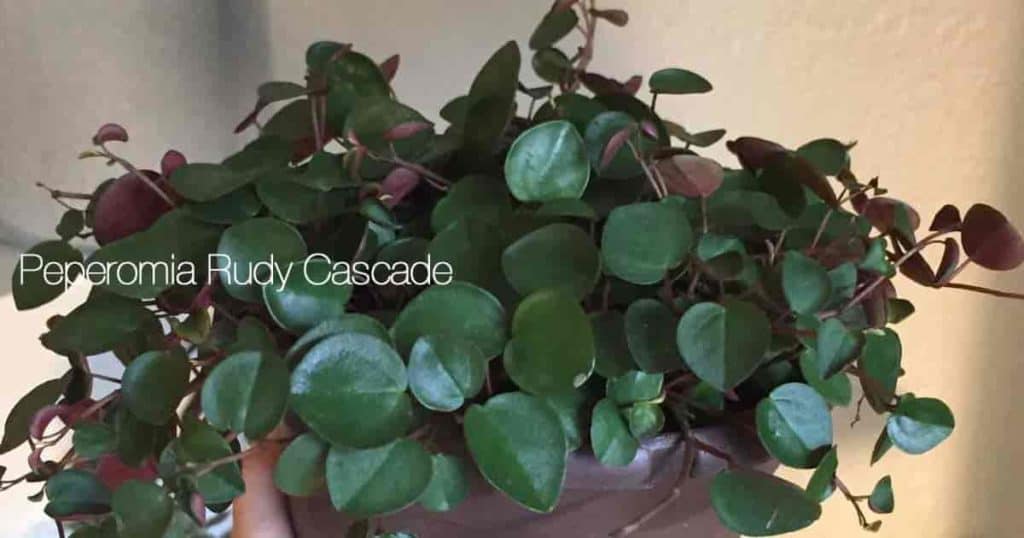
3. Ruby Cascade & Peperomia Hope: Trailing Propagation Tactics
Peperomia Ruby Cascade Cuttings
Peperomia Ruby Cascade has a trailing vine habit, which makes it fun for hanging pots and shelves. To propagate it, we snip pieces of vine with several nodes, then remove the lower leaves and press those nodes gently into a shallow tray of airy mix.
Ruby Cascade likes bright indirect light, so we avoid harsh direct sun while it is rooting. Careful watering is key, since this variety dislikes sitting in soggy media and can rot if overwatered.
Peperomia Hope Propagation
Peperomia Hope has thick, coin like leaves and also responds well to stem cuttings. For this plant, we tend to use slightly chunkier pieces of stem so each cutting carries enough stored energy.
Moderate watering and well draining soil keep the cuttings firm while they root. We also prune lightly as they grow, which encourages a fuller plant and provides even more material for your next round of propagation.
A visual guide to propagating succulents in five steps. Perfect for achieving Succulent Propagation Mastery.
4. Moonstone Succulent Propagation Mastery
Leaf And Stem Techniques For Pachyphytum
Moonstones, the pastel Pachyphytum oviferum, are popular propagation candidates because their plump leaves root readily. We gently twist leaves off the stem so the entire base comes away clean, then lay them on top of very well draining soil and let the ends dry.
Propagation can also be done by cutting a stem that has several leaves and allowing that cut to callus before potting. This method often gives a larger new plant faster, since stem cuttings tend to root more quickly than single leaves.
Care While New Roots Form
These plants thrive in bright light, but we avoid intense midday sun on baby plants. We mist or lightly water only when the soil is dry, since Moonstones are sensitive to overwatering, especially when rootless.
As roots appear, we slowly increase watering depth and transition them toward normal succulent care. Our goal is always plump, firm leaves that show the plant is storing water correctly.

5. Gasteria, Haworthia & Lithops: Mastering Compact Succulents
Gasteria Propagation Basics
Gasteria plants resemble aloe but grow in opposing leaf pairs or loose spirals. When we propagate Gasteria, we often use offsets that form at the base of mature plants, separating them gently with a clean knife.
Once separated, offsets go into a gritty soil mix and get light watering until roots grab the soil. Because they look similar to aloe, it is easy to forget that their leaf attachment and growth pattern differ, so we watch for rot in the leaf base and keep soil lines a bit lower.

Haworthia Cooperi: Pups And Clumps
Haworthia cooperi and similar cushion aloe type succulents often form clumps with many small rosettes. For propagation mastery, we lift the clump, gently tease apart individual rosettes with roots, and replant them as new specimens.
Because Haworthia enjoys bright but not harsh light, we keep new divisions shaded from intense sun. We also let any broken roots dry slightly before replanting, which helps them re establish in their new pots.
Lithops: Slow But Satisfying
Lithops, sometimes called living stones, require very well draining soil and sparse watering. Propagation is usually slower and done by divisions or seeds rather than regular leaf cuttings.
We only recommend Lithops propagation after you are comfortable with standard watering patterns, because they react badly to excess moisture. Patience here is part of real propagation mastery.
6. Echeveria, Sedum & Crassula: Rosettes And Vines
Echeveria Imbricata: Blue Rose Propagation
Echeveria imbricata, often called the blue rose echeveria, is a classic for succulent propagation mastery. We use both single leaves and stem cuttings, as well as offsets that pop up around the base.
Leaves are gently twisted off and allowed to dry for a few days before sitting on gritty soil. Stems are cut, callused, then planted upright, which often yields faster rooting and stronger rosettes.
Sedum Matrona & Crassula Rupestris
Sedum Matrona is a hardy succulent that can be multiplied by stem cuttings or divisions. We like to cut non flowering stems, remove the lower leaves, and let them dry for a few days before sticking them in soil.
Crassula rupestris, the baby necklace vine, propagates well from short stem segments. Once planted, both types respond well to bright light and fairly dry soil while roots form.
Comparing These Rosette Types
| Plant | Best Method | Difficulty |
|---|---|---|
| Echeveria imbricata | Leaf, stem, offsets | Easy |
| Sedum Matrona | Stem cuttings, division | Easy |
| Crassula rupestris | Stem cuttings | Easy to moderate |
7. Euphorbia Trigona & Blue Candle Cactus: Tall Succulent Propagation
Euphorbia Trigona Stem Cuttings
Euphorbia trigona, sometimes called African milk tree, grows as a tall succulent tree with angled stems. We propagate it mostly by stem cuttings, slicing sections of stem, letting them dry, then placing them in a coarse mix.
Because euphorbias contain sap, we always cut carefully and avoid contact with skin or eyes. After the cut end has dried and callused, it usually roots steadily in warm, bright conditions.
Blue Candle Cactus Cuttings
The Blue Candle Cactus also propagates well from stem pieces. We cut a healthy section, let it dry thoroughly until a firm callus forms, then stand it in a well draining cactus mix.
We water very lightly at first, sometimes only misting the soil surface for the first couple of weeks. Once the cutting resists a gentle tug, we know roots are anchoring and it can handle a deeper drink.
Watering Patterns For Tall Succulent Cuttings
For both Euphorbia trigona and Blue Candle Cactus, we keep the first watering cycles sparse and use very porous soil. Over time, as root systems grow, we can follow a weekly watering in active growth and slower cycles in cooler months.
This careful start is a core part of succulent propagation mastery because it trains us to respond to the plant’s firmness and color, not just the calendar.
8. Avoiding Transplant Shock In New Succulents
Propagation mastery is not only about making roots, it is also about moving young plants to new pots without stressing them too much. When we transplant, we loosen the old soil carefully and keep as many fine roots intact as possible.
We then place them into a pot only a bit larger, filled with a light, gritty mix. Overpotting in large containers keeps soil wet for too long and can overwhelm small root systems.
- Repot in the growing season, not in deep winter.
- Water lightly right after transplant to settle soil.
- Keep light bright but not scorching for the first week.
By watching for early signs of stress, like wrinkling or leaf droop, we can tweak watering or light before problems get serious. With practice, you will find your repotted succulents hardly pause their growth.

9. Pest Management For Successful Propagation
Healthy mother plants make better cuttings, so pest control is part of succulent propagation mastery. Mealybugs in particular hide in leaf joints and along stems, where they sap energy from the plant.
We inspect plants before taking any cuttings and isolate any that show pests until they are clear. During rooting, we keep an eye on new growth and soil surface, since weakened plants can attract more issues.
For Echeveria and similar rosettes, we pay attention to the crown where water and pests can collect. Good airflow, dryness between waterings, and quick removal of any affected leaves help keep your nursery area clean.
Clean tools also matter, so we wipe blades with alcohol between plants to avoid spreading problems. This small habit can save you a lot of issues over time.
10. Leaf, Stem, Offset, And Seed: Comparing Propagation Methods
Different methods suit different goals, and knowing when to use each is a big part of succulent propagation mastery. Leaf cuttings are great for maximum numbers, stem cuttings for speed, offsets for consistency, and seeds for variety.
Here is a simple comparison to guide your choices.
| Method | Best For | Typical Rooting Speed | Notes |
|---|---|---|---|
| Leaf cuttings | Echeveria, Moonstones, some Crassula | Moderate | High plant count, but slower size gain. |
| Stem cuttings | Peperomia, Euphorbia, Sedum, vines | Fast | Larger plants faster, needs good callusing. |
| Offsets / pups | Gasteria, Haworthia, many Echeveria | Fast to moderate | Stable clones of the parent, good for collections. |
| Seeds | Lithops, rare varieties | Slow | Takes months, needs patience and stable care. |
In practice, we often combine methods across our collection. For example, we might leaf propagate Moonstones while relying on offsets for Gasteria and Haworthia, and stem cuttings for Peperomia and Euphorbia.
This mix gives you a steady flow of new plants at different stages and sizes. Over time, you will know instantly which method suits each new succulent you bring home.
Conclusion
Succulent propagation mastery is really about repeating simple, careful steps across many plant types and paying attention to how they respond. Clean cuts, good callusing, gritty soil, bright light, and thoughtful watering will carry you through almost every situation.
As you practice on Peperomia, Moonstones, Echeveria, Gasteria, Haworthia, cactus, and more, you will build an instinct for what each plant wants. Before long, one or two succulents will turn into trays of healthy young plants, ready for your shelves, gifts, or swaps with other growers.
