Water Propagation vs Soil Propagation: Which Method Actually Works Better for Your Cuttings?
Most new plant parents start with a glass of water on the windowsill, but substrate choice can change everything: in one study, sand as a rooting medium delivered 75.56% rooting for pomegranate cuttings, while peat moss managed only 20% under the same conditions.
Key Takeaways
| Question | Short Answer |
|---|---|
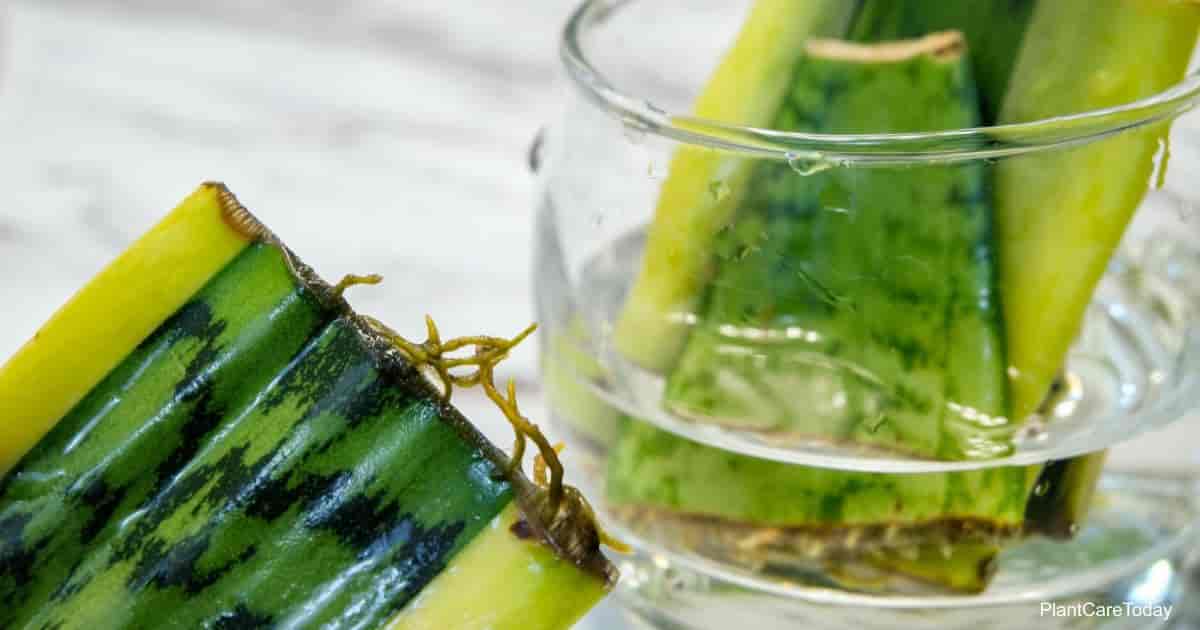
| Is water propagation or soil propagation better for beginners? | Water propagation is easier to monitor visually, which is why we often suggest it for first-timers. You can see the roots form, like in our guide to snake plant propagation in water. |
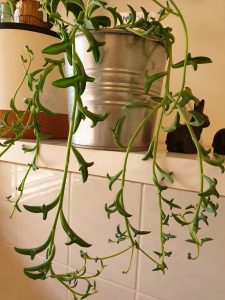
| Which method produces stronger roots? | Cuttings rooted directly in a medium like soil, sand, or coir usually grow sturdier, soil-ready roots. You can see this in soil-first methods such as the string of dolphins propagation in soil. |
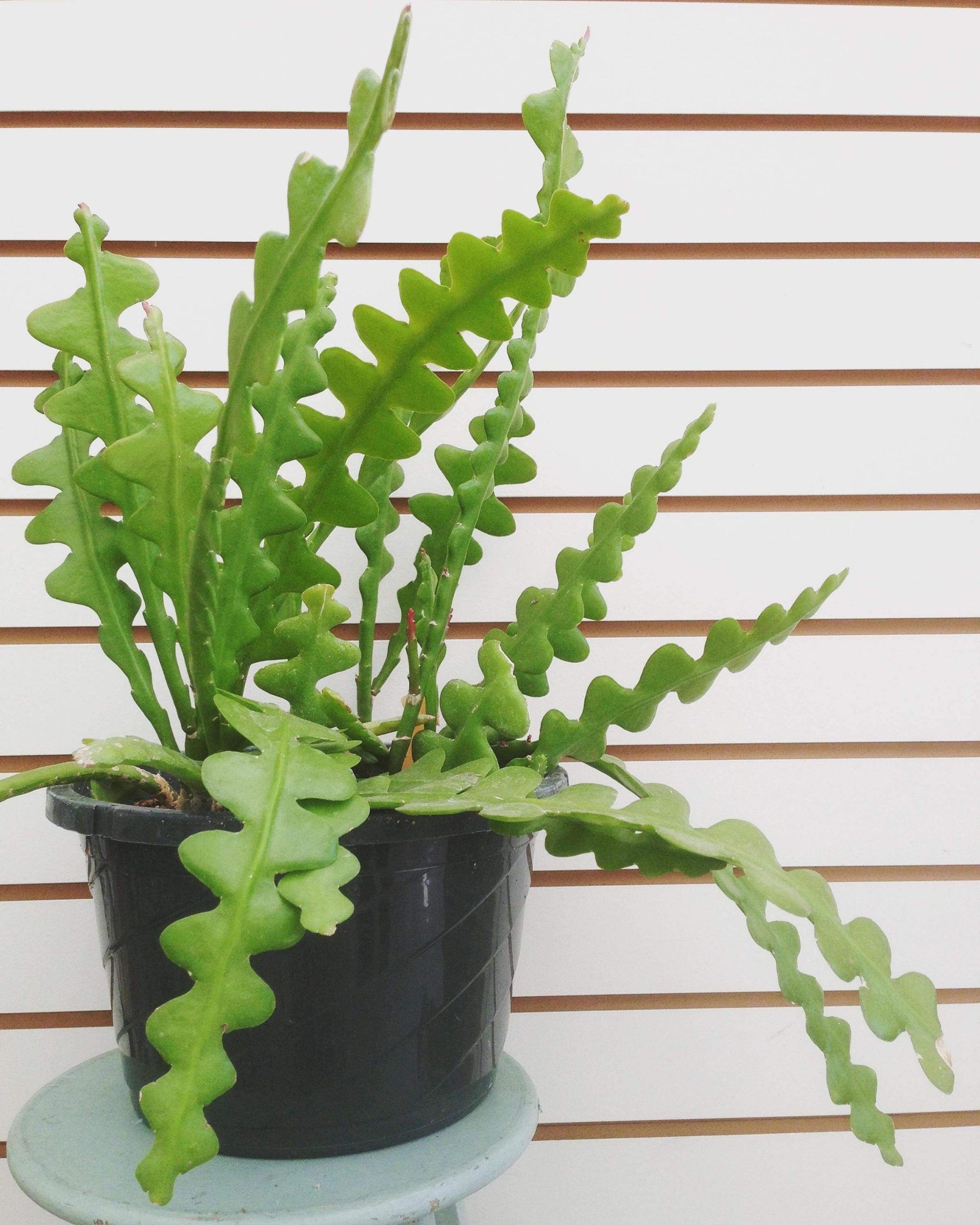
| Do certain plants prefer soil propagation? | Yes, many succulents and cacti root more reliably in a well-draining mix, like the methods we use for fishbone cactus propagation. |
| Can I avoid transplant shock when moving from water to soil? | Gentle handling and the right medium are key. We cover practical tips in our guide on avoiding transplant shock after propagation. |
| Is water propagation faster? | Many soft-stemmed houseplants root faster in water, but not all species react the same. Our Peperomia propagation guide explains how different media change speed and success. |
| What if my environment is very dry or very humid? | Medium and method should match your conditions. Articles like creeping fig care and propagation show how trailing plants prefer consistent moisture in a loose substrate. |
| Can I propagate unusual or ornamental plants the same way? | Principles stay the same, but details vary. For example, epiphytic cacti in our orchid cactus guide like airy media more than plain water. |
Water vs Soil Propagation: What We Actually Mean
When we talk about water propagation vs soil propagation, we are really comparing how roots start and what kind of roots you end up with. Water propagation uses plain or treated water, while soil propagation uses a solid, usually airy medium like potting mix, sand, or coir.
Both methods share the same goal, which is to help a cutting grow its own root system so it can live independently. The big difference is how much oxygen, moisture, and support the cutting gets in those first few weeks.
What counts as “soil propagation” in practice
In real-world gardening, soil propagation usually means any solid medium with structure, not just garden dirt. That can include potting soil, coconut coir, sand mixes, or gritty succulent blends.
Our own propagation guides often recommend a light, airy mix instead of heavy soil, especially for plants like Peperomia and succulents that hate staying soggy.
Where water propagation shines
Water propagation is direct and very visual, which is why so many people use it with snake plants, pothos, and other houseplants. You see every new root as it appears, so you know if things are going well or not.
It is also easy to set up with what you already have, like a glass jar and tap water, so it invites experimentation without extra tools.
Root Health: How Water and Soil Change Root Structure
The biggest functional difference between water propagation vs soil propagation shows up in the roots themselves. Roots formed in water often look long, pale, and slightly fragile, while soil or mix roots are usually shorter, more branched, and more robust.
This difference matters when you move a cutting into its permanent pot. Water roots have to adapt to a less saturated environment, so there is a short adjustment period that soil roots skip.

Water roots vs soil roots explained
- Water roots are adapted to constant moisture and relatively low oxygen.
- Soil or mix roots are adapted to variable moisture and higher oxygen around the root zone.
When you move a water-rooted cutting into soil, it often has to grow a new set of “soil” roots. That is why we always advise gentle watering and a very loose mix in the first couple of weeks.
Why substrate choice can outperform method choice
In controlled experiments with pomegranate cuttings, substrate alone made huge differences: sand reached 75.56% rooting, mixed substrates only 46.67%, and peat moss just 20%, even when soaking conditions were the same.
That tells us that for soil propagation, the specific mix can matter more than whether you pre-soak or use water briefly before planting.
Success Rates: What Research Says About Media and Soaking
We like to mix hands-on experience with what research actually shows about rooting. Studies on hardwood cuttings and conifers, even if they focus on outdoor species, highlight how strongly the rooting medium and treatment affect success.
For example, with Salakhani pomegranate cuttings, a simple 24 hour soak plus sand medium led to 93.33% rooting, which is a huge jump over non-soaked cuttings in weaker media.


Media can be more important than the liquid phase
Across pine propagation trials, coconut coir beat sand and several commercial mixes as a rooting medium. It combined water retention with good air spaces around the roots.
So even if you start in water, your cutting eventually needs a medium that balances oxygen and moisture, not just “dirt” of any kind.
When water alone is not enough
In black mulberry cuttings, 24 hours of water soaking by itself only gave about 15% rooting, while pairing the soak with a rooting hormone (IBA at 4000 ppm) boosted success to 40%.
For home propagation, that roughly mirrors what we see with tougher woody plants. They often do better if you skip long-term water rooting and go straight into a well-chosen medium with a rooting powder or gel.
Why some water propagations fail at 0%
That same pomegranate study also recorded a case where a 48 hour soak followed by peat moss ended in 0% rooting. Too much pre-soaking plus a poorly aerated medium basically ruined the cuttings.
For us, this supports a simple rule: whether you choose water or soil, keep oxygen in mind. Water should be changed regularly, and soil needs to be light and breathable.
Water propagation vs. soil propagation: a quick visual comparison. It highlights four key factors to guide propagation decisions.
Water Propagation: Pros, Cons, and Best Uses
We lean on water propagation when we want an easy, low-setup way to start forgiving houseplants. Snake plants, pothos, and many Peperomias handle sitting in water very well in the early stages.
Water is also great for teaching kids or beginners because nothing is hidden. You can track progress day by day and react if you see rot starting.
Advantages of water propagation
- Visual feedback: You see every root as it emerges.
- Low barrier to entry: No special mix, just clean containers and water changes.
- Good for soft stems: Many herbaceous houseplants root faster in water.
These strengths make water an ideal starting point for very first attempts or for monitoring tricky cuttings before committing them to soil.
Disadvantages you should plan for
- Fragile roots that can damage easily when you pot up.
- Temporary setup, since very few plants thrive long term in water without special care.
- Risk of rot if water is not changed often or if the cutting sits too deep.
Because of this, we usually treat water rooting as part one of the process, and we focus a lot on how to move from water to a solid medium with minimal stress.
Plants that typically do well in water
Based on our own guides and experience, these plant types are good candidates for water propagation first, then soil.
- Snake plants (leaf sections in water before potting)
- Many Peperomia varieties
- Common trailing houseplants like pothos and philodendron (even though they are not in the research list, the principle holds)
Soil Propagation: When Starting in a Medium Wins
Soil or mix propagation skips the “water stage” and starts cuttings directly in a solid medium. For many plants, especially succulents and cacti, this is not just an option, it is our first recommendation.
For example, with string of dolphins, our guide recommends stem cuttings directly in soil as the best approach, because the plant is very sensitive to excess moisture.
Advantages of soil propagation
- Stronger, more adapted roots from day one.
- No transition shock from water to soil, since there is no water stage.
- Better match for plants that dislike constantly wet conditions, like succulents and many woody species.
This is why guides for plants like fishbone cactus and creeping fig focus on choosing the right mix and not on glass-jar water starts.
Disadvantages to watch out for
- You cannot see roots, so any rot or failure is hidden until much later.
- Overwatering becomes easier, especially in heavy, non-aerated mixes.
- Beginners sometimes mistake leaf turgor for success, even if no roots have formed yet.
We deal with this by recommending very light, airy rooting mixes and by teaching simple tug tests to check if cuttings have actually rooted.
Plants that usually prefer soil-first propagation
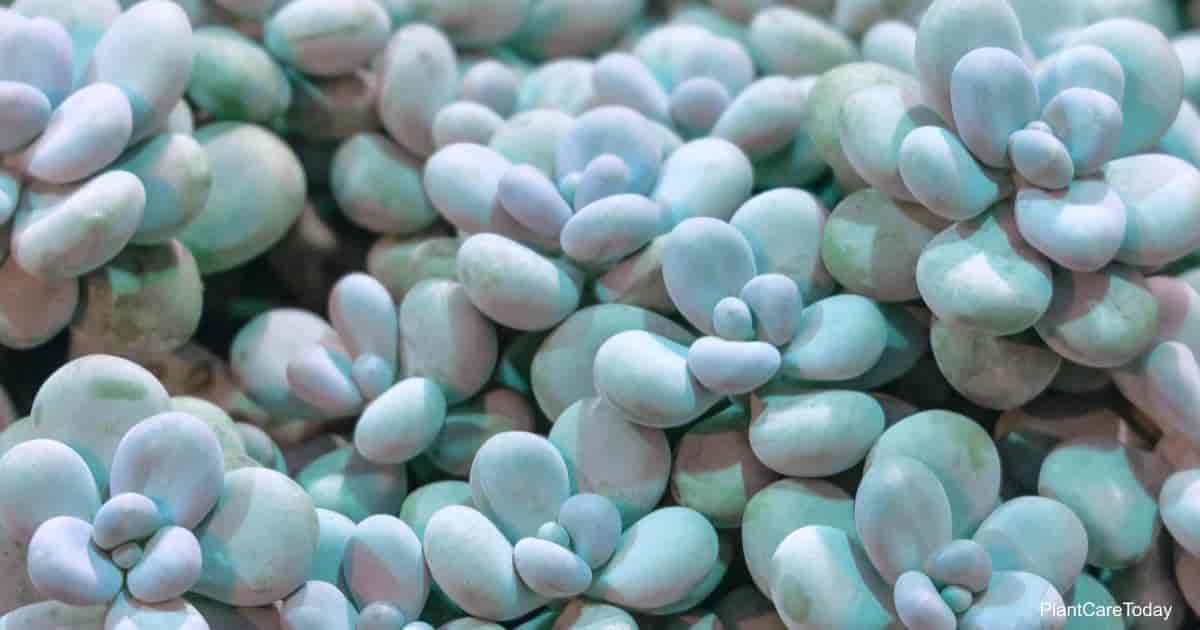
- Succulents like moonstone and candle plant types
- Cacti such as fishbone cactus and old man cactus
- Woody vines like creeping fig that benefit from consistent but aerated moisture
Case Study: String of Dolphins and Other Succulents
Succulents are perfect examples of why water propagation vs soil propagation is not a one-size-fits-all question. Many succulents store water in their leaves and stems, so they are more prone to rotting in constant moisture.
Our moonstone succulent info and string of dolphins guides lean toward direct soil propagation using well-draining mixes and brief drying intervals after cutting.
Why soil usually wins for succulents
Succulents have evolved to handle drought and brief heavy rains, not constant saturation. In water, their cut ends can soften and rot before roots form.
In contrast, a gritty succulent mix lets the cut callus over, then encourages roots to seek small pockets of moisture without sitting in it all the time.
String of dolphins as a soil-first example
With string of dolphins, we recommend stem cuttings planted directly into a light potting mix, often with added perlite or sand. Watering is minimal until roots establish.
This method keeps the cuttings on the drier side, which matches their natural preference and gives more reliable results than a jar of water for this particular plant.
Comparing water vs soil for succulents in practice
| Factor | Water Propagation | Soil Propagation |
|---|---|---|
| Rot risk | High for fleshy leaves and stems | Lower if mix is gritty and watering is controlled |
| Ease for beginners | Simple to set up, but higher failure risk | Requires good mix choice, but more forgiving long term |
| Root quality | Often weak or delayed for succulents | Compact, drought-ready roots |
Case Study: Cacti, Epiphytes, and Creeping Vines
Cacti and epiphytic plants give us another angle on the water vs soil discussion. They tend to prefer airy, quickly draining media, sometimes with organic chunks for support.
Guides like our orchid cactus growing tips and creeping fig care show how important it is to match your method to the plant’s natural habitat.


Epiphytic cacti and airy mixes
Orchid cactus and fishbone cactus naturally grow on trees in the wild, clinging to bark instead of sitting in soil. For them, both water-only and heavy soil are poor matches.
We prefer a chunky, well-aerated medium and relatively brief watering, which behaves more like damp forest debris than a full jar of water.
Creeping fig and consistently moist, not wet, rooting
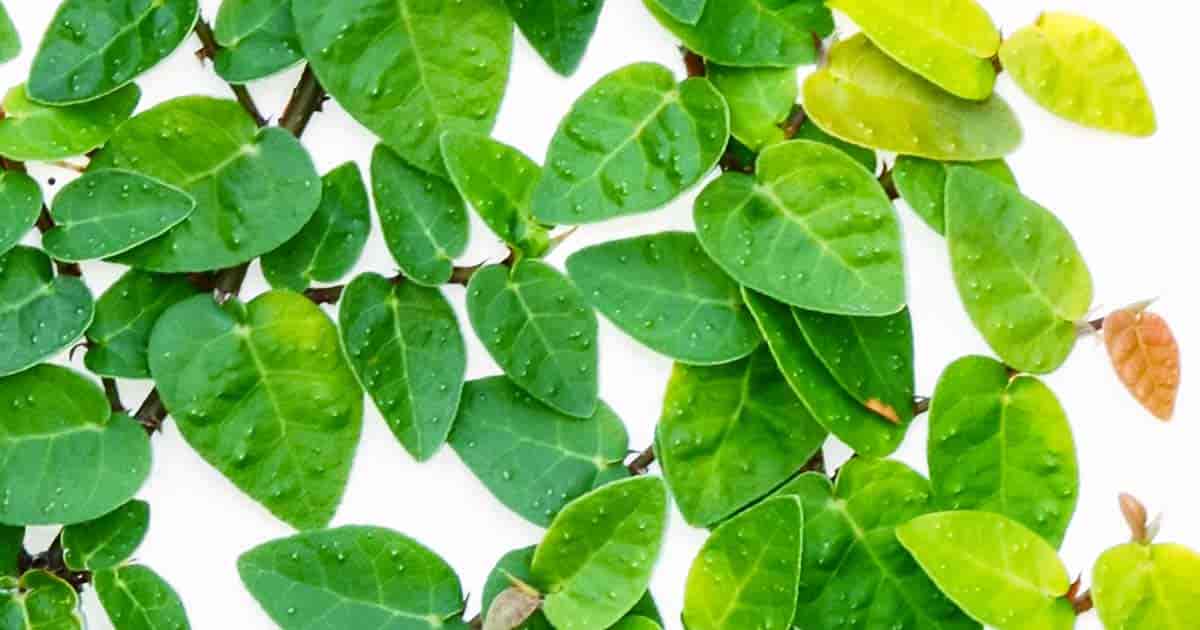
Creeping fig likes steady, moderate moisture and some support to climb. In our creeping fig guides, propagation focuses on placing cuttings where stems can touch a moist, well-draining medium while getting plenty of air.
This again tilts the balance toward soil or mix propagation, with water used more for pre-soaking or gentle hydration than as the main rooting environment.

Old man cactus and similar desert types
Desert cacti like old man cactus prefer prolonged drying between waterings. For these, starting directly in a gritty mix after a callusing period almost always outperforms water rooting.
Soil propagation here is not just about roots, it is about protecting the cutting from long exposure to moisture it is not built for.
Transplanting: Moving from Water to Soil Without Shock
One of the biggest complaints we hear about water propagation is that cuttings look great in the jar, then collapse after potting. That is usually not a failure of water, but a rough transition to soil.
Our article on avoiding transplant shock focuses on easing this step so the new roots are not suddenly overwhelmed by new conditions.

Tips when potting up water-rooted cuttings
- Use a light, airy mix that drains quickly.
- Water lightly right after planting to settle the mix, but avoid soaking.
- Keep humidity slightly higher for a week or two if possible, without making the soil soggy.
This gives the water roots a chance to adjust while new soil-type roots grow into the medium.
How soil-rooted cuttings avoid this step
When you start directly in soil, your cuttings already have roots built for that environment. Transplanting usually means moving an intact root ball into a slightly larger container.
The stress is lower because the root zone conditions change less, especially if you keep the same type of mix.
When to skip water entirely
If you are working with plants known to dislike constant moisture, such as many succulents, desert cacti, and some woody shrubs, skipping water can save you a lot of trouble.
In those cases, we prefer a short callus period followed by direct planting into the right medium, sometimes with a rooting powder to speed things along.
Snake Plant Example: Water vs Soil in One Species
Snake plants give us a neat head-to-head comparison because they can root both in water and directly in soil. Our snake plant propagation guide covers variation 1, rooting in water, in some detail.
However, plenty of growers also root leaf sections in a slightly damp potting mix with success, which lets us compare the outcomes of both paths.
Water propagation for snake plants
Pros include very easy monitoring and a simple setup. You can line up leaf sections in a jar, change the water, and watch for white roots emerging from the cut edge.
The main downside is the later shift to soil. If the cutting is left in water too long, roots can get very long and fragile, which makes transplanting slightly risky.
Soil propagation for snake plants
Soil or mix propagation asks for a bit more attention at the start. The mix should be well-draining, and moisture should be kept moderate, not wet.
However, once rooted, these cuttings usually move on to standard snake plant care with minimal fuss, since they already live where they will stay.
Which method we prefer for snake plants
For brand new plant keepers, we often suggest starting with water so they can see roots and build confidence. For larger batches or long term production, we lean toward soil propagation because it avoids the transplanting step.
Both methods are valid, and snake plants are forgiving enough that this is a good species for you to experiment and find your own preference.
Matching Method to Plant and Environment
At this point, water propagation vs soil propagation is less about which is better overall and more about which matches your plant and conditions. That includes your climate, home environment, and how often you like to check on your plants.
Our broader garden articles, like planning patio gardens or choosing plants, always come back to this idea of matching species and methods to the space and care style you already have.

Questions to ask before choosing a method
- Is this plant known to be succulent, cacti-like, or desert-adapted?
- Do I live in a humid or very dry environment?
- Do I prefer to watch roots in water or trust the process in soil?
- How much space do I have for jars or propagation trays?
Your answers will usually point you toward a method that feels natural and works with your habits, which is just as important as theoretical success rates.
Season and timing also matter
Propagation trials on pine species showed that winter cuttings had poor rooting across treatments, often under 30%, no matter which medium was used. Timing can overwhelm both method and medium choices.
For most houseplants, we suggest spring or early summer for the best combination of warmth and light, whether you choose water or soil.
Combining both methods strategically
You do not have to pick one method forever. Many growers start plants in water to monitor early development, then move them into a carefully chosen mix once roots reach a certain length.
Others dip cuttings in water only briefly or pre-soak hardwood cuttings, then place them in sand, coir, or potting blends to finish rooting.
Conclusion
Water propagation vs soil propagation is not a battle with a single winner. Water propagation shines for soft-stemmed houseplants and for growers who want to see every step, while soil or mix propagation builds stronger, more adapted roots from day one.
From string of dolphins and moonstone succulents to snake plants and creeping fig, the best method always comes back to the species, the medium, and your conditions. If you choose a rooting environment that balances oxygen and moisture for your specific plant, both water and soil can give you healthy, thriving new plants.
